Quick Answer
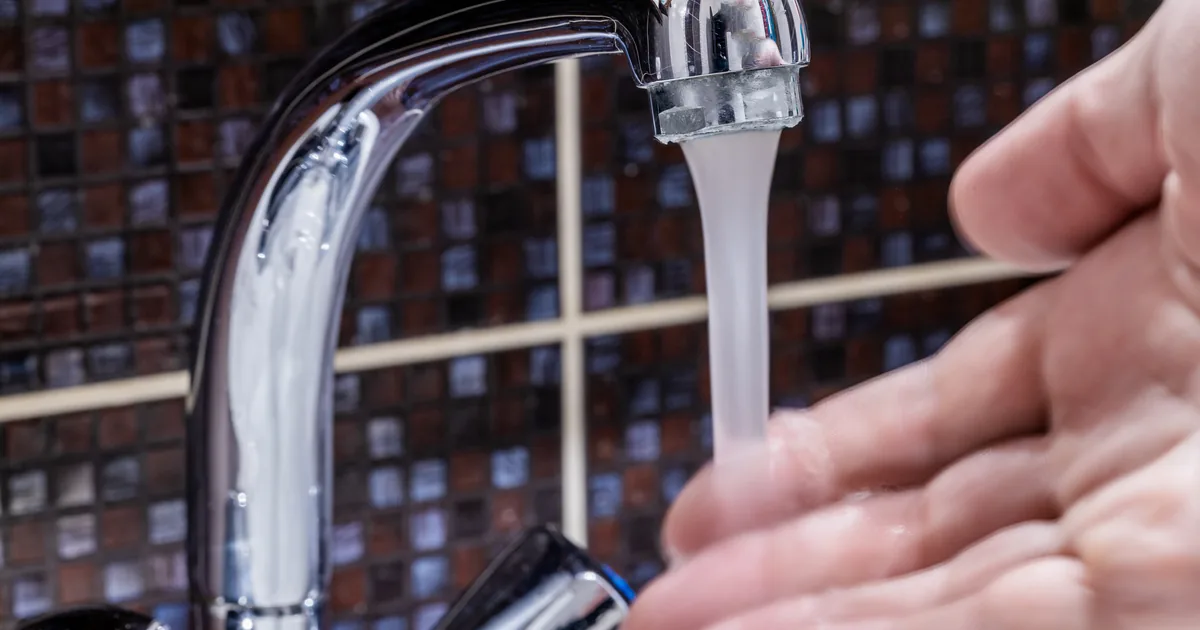
Common causes of low water pressure include clogged faucet aerators, partially closed shutoff valves, pressure regulator problems, hidden water leaks, mineral buildup, corroded galvanized pipes, restricted water treatment equipment, and temporary municipal supply issues. If only one fixture has weak flow, the problem likely sits near that fixture. If hot and cold water have low pressure throughout the home, the main supply or plumbing system may require professional inspection.
Key Takeaways
- Determine whether low pressure affects one fixture, one branch, or the entire home.
- Check both hot and cold water to narrow down the source.
- Confirm that accessible shutoff valves are fully open.
- Clean a clogged faucet aerator or showerhead when only one fixture has weak flow.
- Watch for hidden-leak signs such as damp areas, running-water sounds, or an unexplained water bill increase.
- A pressure gauge can help a plumber distinguish a supply problem from a restriction inside the home.
- Older galvanized steel pipes may require replacement when internal corrosion restricts water flow.
- Contact a licensed plumber when pressure drops suddenly, affects the entire house, or appears alongside visible water damage.
Low water pressure can make showers frustrating, slow down washing machines, and leave faucets producing little more than a weak stream. Sometimes the problem affects only one fixture. In other cases, low pressure affects the entire plumbing system.
Understanding what causes low water pressure in a home starts with identifying where and when the problem occurs. The cause may be as simple as a clogged aerator or partially closed valve. It may also involve a failing pressure regulator, hidden leak, corroded pipe, water treatment equipment, or the municipal water supply.
Does the Problem Affect One Fixture or the Entire House?
Before investigating the plumbing system, determine the scope of the problem.
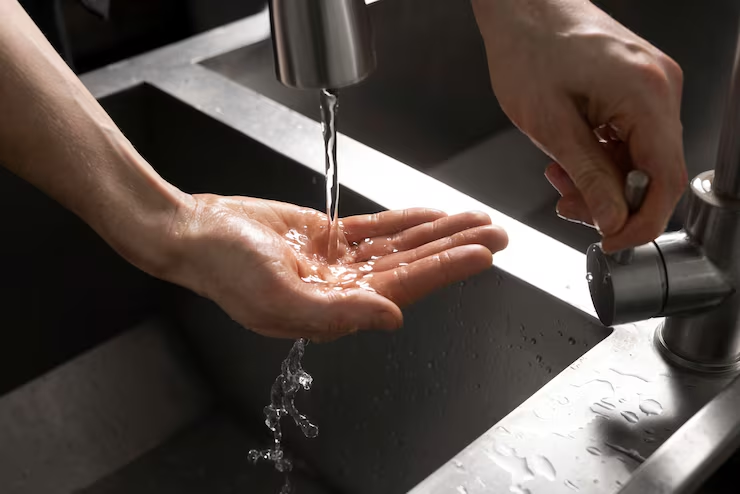
Turn on faucets in different parts of the house and compare the flow. Test both hot and cold water. Check a shower, kitchen faucet, bathroom sink, laundry sink, and exterior hose spigot when available.
If only one fixture has low flow, the cause probably involves that fixture’s aerator, cartridge, supply line, or shutoff valve. When several fixtures on one side of the house have low pressure, a shared branch line may have a restriction. When every fixture has low water pressure, the main valve, pressure regulator, water service line, treatment equipment, or municipal supply becomes more likely.
This simple comparison gives a plumber useful information and can help prevent unnecessary work.
Clogged Faucet Aerators and Showerheads
A clogged aerator is one of the most common causes of weak flow at a single faucet. Aerators collect sediment, rust particles, and mineral deposits as water passes through them. Over time, that buildup can block the small openings and restrict flow.
Showerheads can develop similar deposits, particularly in homes with hard water. If one faucet or shower has poor flow while nearby fixtures operate normally, inspect the affected outlet first.
Homeowners may remove and clean an accessible aerator according to the fixture manufacturer’s instructions. If cleaning does not restore normal flow, the fixture cartridge, shutoff valve, or supply line may require professional attention.
Partially Closed Shutoff Valves
The main shutoff valve controls water entering the home. A valve that remains partially closed after plumbing work can restrict flow throughout the house. Individual shutoff valves beneath sinks, behind toilets, or near certain appliances can cause a localized issue when they are not fully open.
A water meter valve may also affect the supply, but homeowners should not operate utility-owned equipment without authorization. If the main valve appears damaged, stuck, or difficult to turn, do not force it. An older valve can break and create a larger leak.
A plumber can inspect the valve, confirm its position, and replace it when it no longer operates correctly.
A Failing Pressure Regulator
Some homes use a pressure regulator, also called a pressure-reducing valve, to control the pressure entering the plumbing system. When the regulator fails or falls out of adjustment, it may cause low pressure, high pressure, or noticeable fluctuations.
Pressure regulator problems often affect most or all fixtures rather than a single faucet. The pressure may also change suddenly without any known plumbing work or utility interruption.
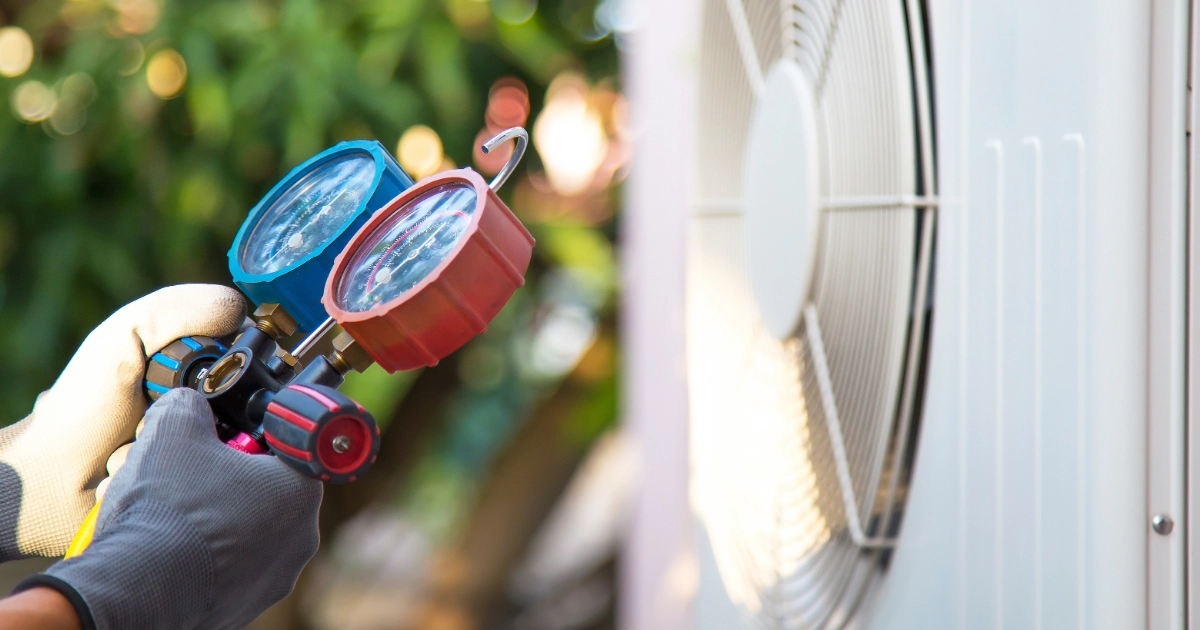
A plumber can attach a water pressure gauge to an appropriate connection, evaluate the incoming supply, and test the regulator. Adjusting or replacing a pressure regulator requires the right diagnosis because excessive pressure can also damage fixtures, appliances, and water lines.
Hidden Plumbing Leaks
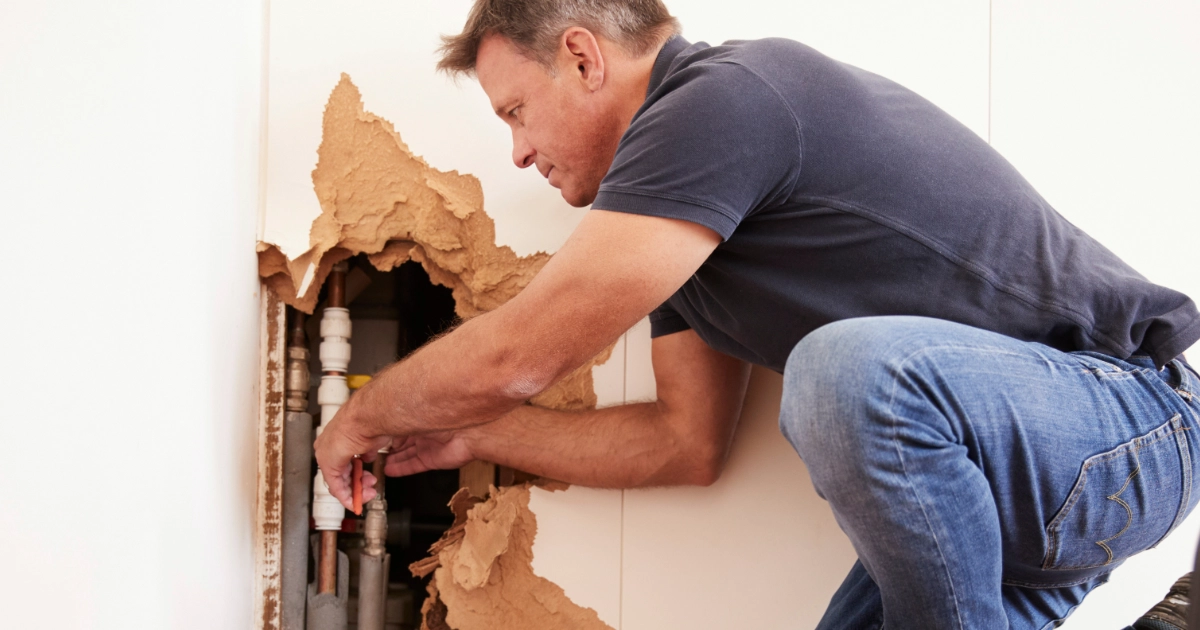
A hidden leak diverts water before it reaches fixtures, which can reduce flow and pressure. The severity depends on the leak’s size and location.
Watch for warning signs such as:
- An unexplained increase in the water bill
- The sound of running water when fixtures are off
- Damp flooring, cabinets, walls, or ceilings
- Musty odors or unexplained mold growth
- A water meter that continues moving when the home is not using water
- Warm areas on the floor that may indicate a hot-water-line leak
- Pooling water near the foundation or in the yard
Do not ignore low water pressure when it appears with these symptoms. Review the warning signs in our guide to finding a hidden water leak, then schedule a professional inspection. Early leak detection can limit water waste and property damage.
Mineral and Sediment Buildup
Hard water contains dissolved minerals such as calcium and magnesium. These minerals can accumulate on aerators, showerheads, valves, water-heating components, and other plumbing surfaces. Sediment can also enter through the water supply and collect inside fixtures or treatment equipment.
Mineral buildup usually develops gradually. Homeowners may first notice weak flow at certain fixtures, spots on dishes, scale around faucets, or frequent aerator clogs.
A plumber can determine whether the restriction affects a fixture, a water line, or a treatment device. When hard water contributes to recurring buildup, professional water treatment services may help address the underlying water-quality concern.
Corroded Galvanized Steel Pipes
Older homes may contain galvanized steel water lines. These pipes can corrode internally as they age. Rust and deposits gradually reduce the available opening inside the pipe, limiting water flow even when incoming pressure remains adequate.
Corroded pipes may also produce discolored water, visible rust, recurring leaks, or poor flow in multiple areas. Cleaning a faucet aerator will not solve a restriction located inside the home’s supply lines.
When corrosion affects much of the plumbing system, replacing isolated sections may only provide temporary relief. A plumber can evaluate whether whole-house repiping offers a more reliable solution.
Municipal Water-Supply Problems
Low water pressure does not always begin inside the house. Water-main repairs, a main break, changes within a pressure zone, peak demand, and the property’s elevation can affect pressure from the municipal supply.
Ask nearby neighbors whether they notice the same problem. If several homes experience a sudden pressure drop, contact the water supplier and check for reported outages or repairs.
If the water company reports normal service, the problem likely sits between the meter and the home’s fixtures. A plumber can test pressure near the point of entry and compare it with readings inside the plumbing system.
Restricted Water Softeners and Filtration Systems
A clogged filter, restricted water softener, closed bypass valve, or malfunctioning treatment system can reduce water flow throughout the house. The problem may appear gradually as filter media or cartridges collect sediment.
Check the equipment’s status and maintenance schedule, but do not change settings or bypass water treatment equipment unless you understand the manufacturer’s instructions. A professional can test pressure before and after the system to determine whether the equipment causes the restriction.
Regular filter replacement and water softener maintenance can help prevent future flow problems.
Low Hot-Water Pressure Only
When cold-water flow remains normal but hot-water pressure drops, focus on the hot-water side of the plumbing system.
Possible causes include:
- A partially closed valve near the water heater
- Sediment buildup in the water heater
- A restricted connector or hot-water supply line
- Corrosion within older hot-water pipes
- A malfunction involving the water heater
Do not adjust, drain, or disassemble a water heater without following manufacturer instructions and appropriate safety procedures. Cold is on the Right provides professional water heater services when the problem appears limited to hot water.
How a Plumber Diagnoses Low Water Pressure
A professional diagnosis may begin with questions about when the problem started, which fixtures it affects, and whether the pressure changes throughout the day.
The plumber may then:
- Compare hot- and cold-water flow at multiple fixtures.
- Inspect aerators, supply lines, and accessible shutoff valves.
- Test the home’s water pressure with a pressure gauge.
- Evaluate the pressure regulator when one is installed.
- Check the meter for evidence of continuous water use.
- Inspect exposed pipes for leaks, corrosion, or damage.
- Test pressure before and after a water softener or filtration system.
- Evaluate branch lines or the main supply line for restrictions.
- Recommend leak detection when the evidence suggests a concealed water leak.
The correct repair depends on the diagnosis. A plumber may clean or replace a fixture component, open or replace a valve, install a new regulator, repair a leak, service treatment equipment, or recommend pipe replacement.
Why You Should Not Ignore Low Water Pressure
Low water pressure may seem like an inconvenience, but it can point to a plumbing problem that will worsen without attention.
A concealed leak can waste water and damage the home. A faulty regulator can expose plumbing fixtures to unstable pressure. Corroded pipes may continue narrowing or eventually leak. A restricted filter or softener may stop performing properly, while a struggling well pump can fail completely.
Sudden pressure loss deserves prompt attention, especially when it affects the entire house or appears with water damage, unusual sounds, discolored water, or a higher water bill.
Get Your Water Pressure Back to Normal
If weak water flow affects your daily routine, let a licensed plumber identify the cause. Cold is on the Right provides professional plumbing diagnostics, leak detection, pressure regulator service, water treatment, pipe repair, and repiping throughout the Greater Austin area.
Schedule your service today! We inspect your system, explain the problem clearly, and provide upfront pricing before we begin approved work.
Frequently Asked Questions
Why did my home’s water pressure suddenly drop?
A sudden drop may result from a partially closed valve, pressure regulator failure, burst or hidden pipe, water-main problem, or utility repair. Check whether nearby homes have the same issue and contact a plumber if the problem affects only your property.
Why does only one faucet have low water pressure?
A clogged aerator, worn cartridge, partially closed fixture valve, or restricted supply line may reduce flow at one faucet. Start by checking the aerator and comparing the hot- and cold-water flow.
Can hard water cause low water pressure?
Hard water can leave mineral deposits on fixtures and within certain plumbing components. Over time, recurring buildup may restrict flow. Testing the water and evaluating the affected plumbing can determine whether treatment or repair is appropriate.
How can I tell if my pressure regulator is failing?
A failing regulator may cause low pressure, excessive pressure, or noticeable fluctuations throughout the home. A plumber can test the incoming and regulated pressure to determine whether the valve needs adjustment or replacement.
Can a hidden leak reduce water pressure?
Yes. A leak can divert water before it reaches fixtures. Look for increased water usage, damp areas, running-water sounds, or meter movement while fixtures remain off.
Will a booster pump fix low water pressure?
A booster pump may help in certain homes with consistently low incoming pressure, but it will not correct a leak, clogged pipe, closed valve, faulty regulator, or restricted treatment system. Identify the cause before installing additional equipment.
When should I call a plumber about low water pressure?
Call a plumber when low pressure affects the entire home, begins suddenly, continues after cleaning a fixture, or appears with leaks, water damage, unusual sounds, discolored water, or an unexplained increase in the water bill.