When Is the Right Time to Replace Your Home's HVAC System?
Quick Answer
Most HVAC systems in Austin last between 10 and 15 years, but Texas heat often shortens that timeline. Most homeowners should consider replacement when repair costs approach half the price of a new HVAC system, monthly power bills climb without explanation, or the AC unit struggles to keep up during a heat wave. Waiting too long usually costs more in repair costs, energy use, and comfort than replacing the cooling system proactively.
Key Takeaways
- The average lifespan of a central air conditioner is 10 to 15 years, though Austin's climate forces the system to work harder every summer.
- Rising energy bills, even a 10 to 15 percent increase, often signal declining energy efficiency before a full breakdown happens.
- If repair costs approach 50 percent of a new unit's price, HVAC replacement is usually the more cost-effective choice.
- Older units still using R-22 refrigerant are more expensive to service since production was banned in 2020, and a refrigerant leak can be costly to repair.
- Newer high-efficiency cooling equipment with modern SEER2 ratings can lower cooling costs by as much as 30 percent.
- Frequent repairs, clogged coils, and unpleasant odors are all signs an air conditioner is nearing the end of its useful life.
- Austin has specific permitting rules and rebate programs that can affect the cost and process of air conditioner replacement.
How Long Does an HVAC System Really Last in Austin?
Most residential air conditioners last between 10 and 15 years when properly maintained. That range assumes a moderate climate and consistent upkeep, which is not always the reality in Central Texas. Austin's long, intense summers force cooling equipment to work harder and for longer stretches than systems in milder climates ever experience.
An HVAC system that spends five or six months a year running near capacity ages faster than the manufacturer's estimate suggests. Homeowners who bought their unit more than a decade ago should already be paying closer attention to performance. Even a well-maintained air conditioner starts losing energy efficiency once it passes the 10-year mark, and that decline tends to accelerate with each Texas summer that follows.
Age alone is not the only factor. A cooling system that has been consistently serviced, with clean coils and sealed ductwork, may outperform a newer unit that has been neglected. Cold temperatures are rarely the issue in Austin, but heating service still matters during winter months, and a furnace or heat pump that shares a cabinet with a failing air conditioner often shows wear at the same time. Once a system crosses into its second decade, the odds of a costly breakdown during peak summer heat increase significantly.
What Are the Warning Signs Your HVAC System Needs Replacing?
The clearest sign is a pattern of frequent repairs that keep pulling money out of the same older unit. When AC repairs start piling up within a single season, that is rarely a coincidence. It usually means the equipment is breaking down faster than it can reasonably be fixed, and each repair buys less time than the last.
Several other warning signs tend to show up before a full failure:
- Monthly power bills that rise 10 to 15 percent or more without a clear change in usage, which points to declining energy efficiency.
- Rooms that cool unevenly, with some areas staying warm no matter how long the system runs.
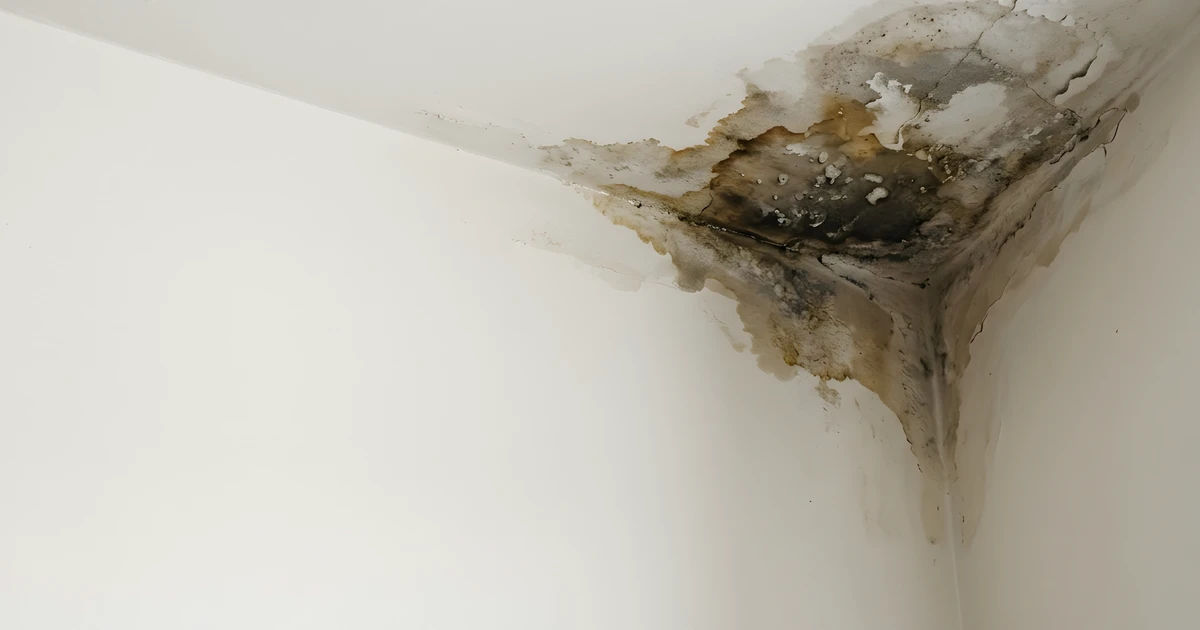
- Unpleasant odors coming from vents, which can point to mold, clogged coils, or failing components inside the AC unit.
- Unusual noises such as grinding, rattling, or hissing, especially from the outdoor cooling equipment.
- A refrigerant leak, particularly in older units still using R-22, which became far more expensive to service after production was banned in 2020.
- Reduced indoor air quality, including more dust, humidity issues, or a stuffy feeling even when the system is running.
Any one of these on its own might not mean much. Several appearing together over the course of a Texas summer is a strong signal that the equipment is reaching the end of its useful life. Homeowners in this position often find it helpful to read more about the signs an HVAC system may be costing more than it should before deciding on next steps, especially if a heat wave is already testing the limits of an aging unit.
Is It Cheaper to Repair or Replace Your HVAC System?
The general rule most certified technicians use is straightforward. If a repair costs 50 percent or more of what a new system would cost, HVAC replacement is usually the better financial decision. Anything less than that threshold may still be worth repairing, especially if the air conditioner is younger and otherwise reliable.
This calculation gets more complicated with older units. A ten-year-old AC unit might survive one more repair, but that repair often buys only a season or two before another issue appears. Homeowners end up paying repair costs repeatedly on equipment that was already destined for replacement, which rarely turns out to be cost-effective in the long run and can eat into the money they were trying to save.
Energy use is part of this equation too. An older cooling system running at reduced efficiency costs more to operate every single month, even when it is technically still working. A new HVAC system with a higher SEER2 rating can offset a portion of the upfront replacement cost through lower cooling costs over time. Homeowners weighing air conditioning replacement against another round of AC repairs should factor in both the immediate expense and the ongoing savings that come with a more efficient system, not just the number on the initial estimate.
What Should You Look for in a New HVAC System?
The most important factor is choosing a cooling system properly sized for the home, not just the most efficient unit available. An oversized or undersized system will struggle regardless of its efficiency rating, cycling too often or running constantly without ever reaching the target temperature. Certified technicians can review your home’s needs and recommend the size of system that would serve you effectively
Once sizing is settled, energy efficiency becomes the next priority. Austin's minimum efficiency standard for new HVAC systems currently falls between 13.4 and 15 SEER2, and choosing equipment at or above that range helps control cooling costs for years to come. Homeowners planning a full heating and cooling upgrade may also want to look into heat pump installation, which handles both heating and air conditioning from a single efficient system rather than running a separate furnace and AC unit.
A few other details matter more than most homeowners expect:
- Refrigerant type, with modern systems using R-410A instead of the discontinued R-22.
- Warranty coverage, which protects against early equipment failure and unexpected repair costs down the road.
- Variable-speed technology, which manages Austin's high humidity more effectively than older single-stage systems and helps homeowners stay cool without wide temperature swings.
Working with a full range of options through a qualified HVAC company, rather than settling for the cheapest available unit, tends to pay off through fewer repairs and lower monthly power bills over the life of the system.
Do Austin Homeowners Need Permits or Rebates for HVAC Replacement?
Yes, most HVAC replacements in Austin require a mechanical permit before installation begins. This protects homeowners by ensuring the new system meets current code requirements and passes proper inspection. A reputable HVAC company handles this process as part of HVAC services, so homeowners generally do not need to manage the paperwork directly.
Austin Energy also offers residential rebate programs for qualifying high-efficiency systems, which can meaningfully offset the cost of an upgrade and help homeowners save money on an already significant investment. These programs change from time to time, so it is worth confirming current eligibility before finalizing equipment selection. Homeowners should also verify that any contractor they hire carries proper licensing and insurance, since unlicensed work can create problems with permitting, warranty coverage, and future resale of the home.
Communities across the metro, including Cedar Park and Round Rock, fall under similar permitting expectations even when specific rebate programs vary slightly by jurisdiction. A little research upfront saves headaches later, particularly when air conditioner replacement happens during peak summer demand and scheduling gets tight.
Cold is on the Right works with Austin homeowners through every part of this process, from evaluating whether a system should be repaired or replaced to handling the air conditioner replacement itself. Their experienced team walks through sizing, efficiency options, and transparent pricing before any work begins, so homeowners know exactly what they are paying for and why. For families weighing AC repairs against a full AC installation, that kind of straightforward guidance often makes the decision much easier.
Ready to Stop Guessing About Your AC Unit?
A struggling air conditioner will not fix itself, and waiting through another Texas summer usually means higher energy bills and a higher risk of a mid-heat-wave breakdown. If any of the signs above sound familiar, it is worth getting a second opinion before the next repair bill arrives. Contact Cold is on the Right today to schedule a professional evaluation of your home's cooling system.
Frequently Asked Questions
How do I know if my HVAC system needs to be replaced instead of repaired?
Compare the repair cost to the price of a new HVAC system. If the repair is close to 50 percent of replacement cost, or the unit is older than 10 years and needs frequent repairs, replacement is usually the smarter long-term choice. A certified technician can evaluate the specific AC unit and give a clear recommendation based on its condition.
What is the average lifespan of an HVAC system in Texas?
Most systems last 10 to 15 years, though Austin's long cooling season can shorten that range for units that run heavily every summer. Regular maintenance, including cleaning clogged coils and sealing ductwork, can help a system reach the higher end of that range. Systems that skip regular service tend to fail earlier and cost more in repair costs along the way.
How much does HVAC replacement in Austin, TX cost?
Costs vary based on system size, efficiency rating, and the condition of existing ductwork. A properly sized, high-efficiency air conditioner typically costs more upfront than a basic unit but saves money over time through lower monthly power bills. Getting a detailed estimate from a local HVAC company is the most accurate way to understand pricing for a specific home.
Are there rebates available for HVAC replacement in Austin?
Austin Energy offers residential rebate programs for qualifying high-efficiency HVAC systems. Availability and requirements can change, so homeowners should confirm current programs before finalizing their equipment choice. A licensed installer can often help identify which rebates a specific system qualifies for.
What refrigerant should a new HVAC system use?
Modern systems use R-410A refrigerant, which replaced R-22 after its production was banned in 2020. Older systems still running R-22 can be expensive to service when a refrigerant leak occurs, since the refrigerant itself is harder to source. This is one more reason older units often make more financial sense to replace than repair.
Do I need a permit to replace my HVAC system in Austin?
Yes, most HVAC replacements require a mechanical permit in Austin to ensure the new system meets current code requirements. A qualified HVAC company typically manages this process as part of HVAC services. Skipping the permit process can create complications later with inspections or home resale.