
Quick Answer
To lower energy bills without sacrificing comfort, keep air filters clean, use thermostat schedules that suit your household, arrange regular HVAC maintenance, and have duct leaks evaluated. These steps support efficient heating and cooling. Choose adjustments based on your equipment and comfort needs rather than expecting one temperature setting or guaranteed savings to work for every home.
Key Takeaways
- Match thermostat schedules to your routine and equipment.
- Replace or clean filters according to system requirements.
- Keep vents open and clear of furniture.
- Have professionals inspect ductwork and seal leaks where needed.
- Schedule maintenance before heavy heating and cooling use.
- Consider replacement through a professional evaluation, not age alone.
Does lowering your energy bill have to mean sweating through dinner or reaching for another blanket? Your home should feel comfortable, and your HVAC system should deliver that comfort efficiently. Start with everyday habits that support airflow, temperature control, and equipment performance. Here are practical ways to improve heating and cooling.
Use Your Thermostat More Intentionally
Build a Schedule Around Your Household
A programmable or smart thermostat gives you better control over when your HVAC system heats and cools. Ask your technician to help configure a schedule around occupied hours, sleep preferences, and time away.
Review that schedule when routines change. Settings that suited last summer may need adjustment when someone starts working from home or your household changes.
Saving energy should still leave the house comfortable when you use it. If you want to adjust your thermostat by a few degrees, ask what approach suits your heating system, cooling equipment, and humidity needs.
Check Compatibility and Accuracy
A smart thermostat needs to work with your equipment. Accurate readings and appropriate programming matter, too. An incorrectly calibrated thermostat can cause unnecessary cycling or inconsistent temperatures.
Cold is on the Right installs compatible controls and helps homeowners understand their settings. A programmable thermostat is useful when its schedule matches the people living in the home.
Make Air Filter Care a Habit
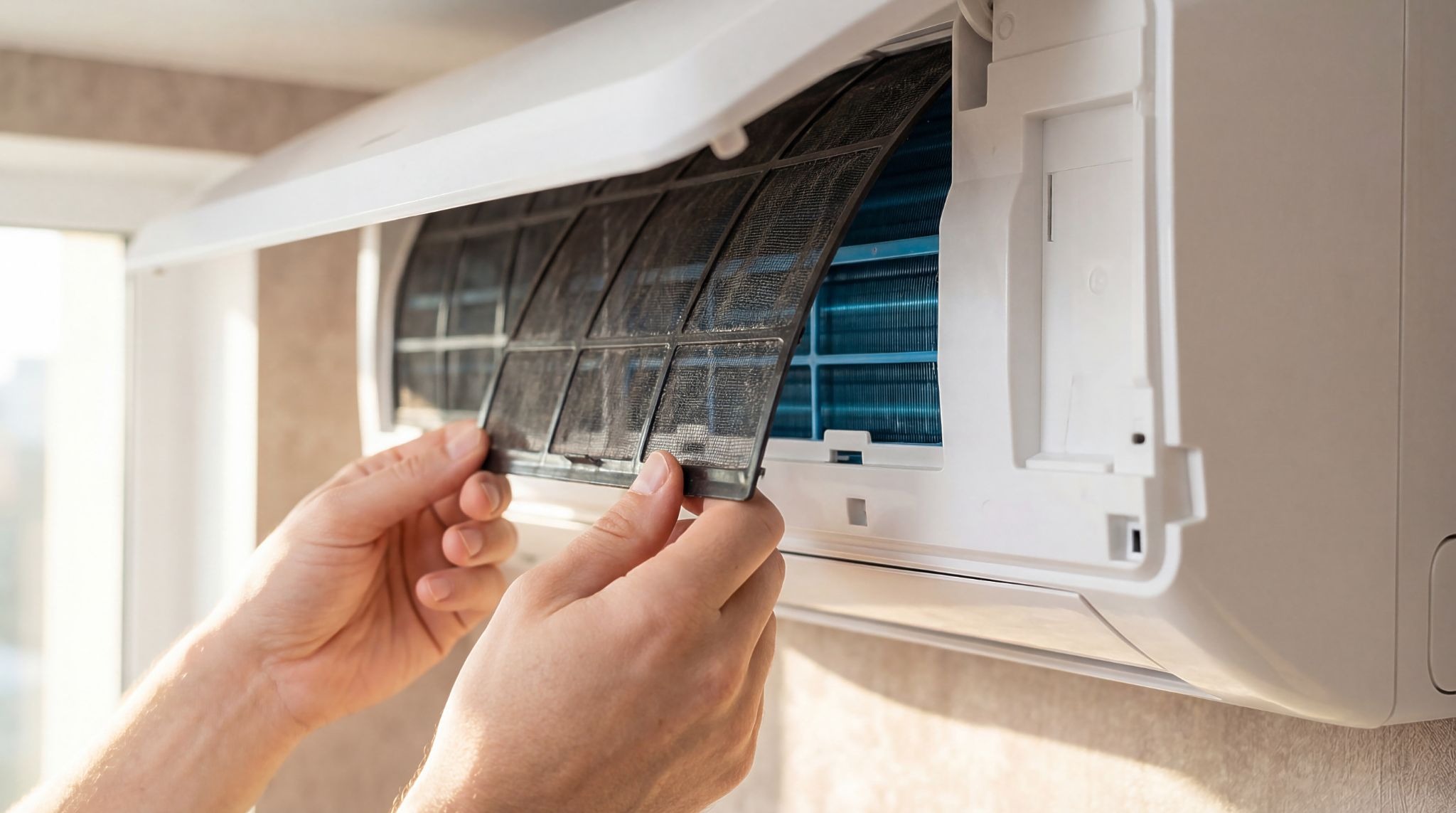
Follow the Right Replacement Schedule
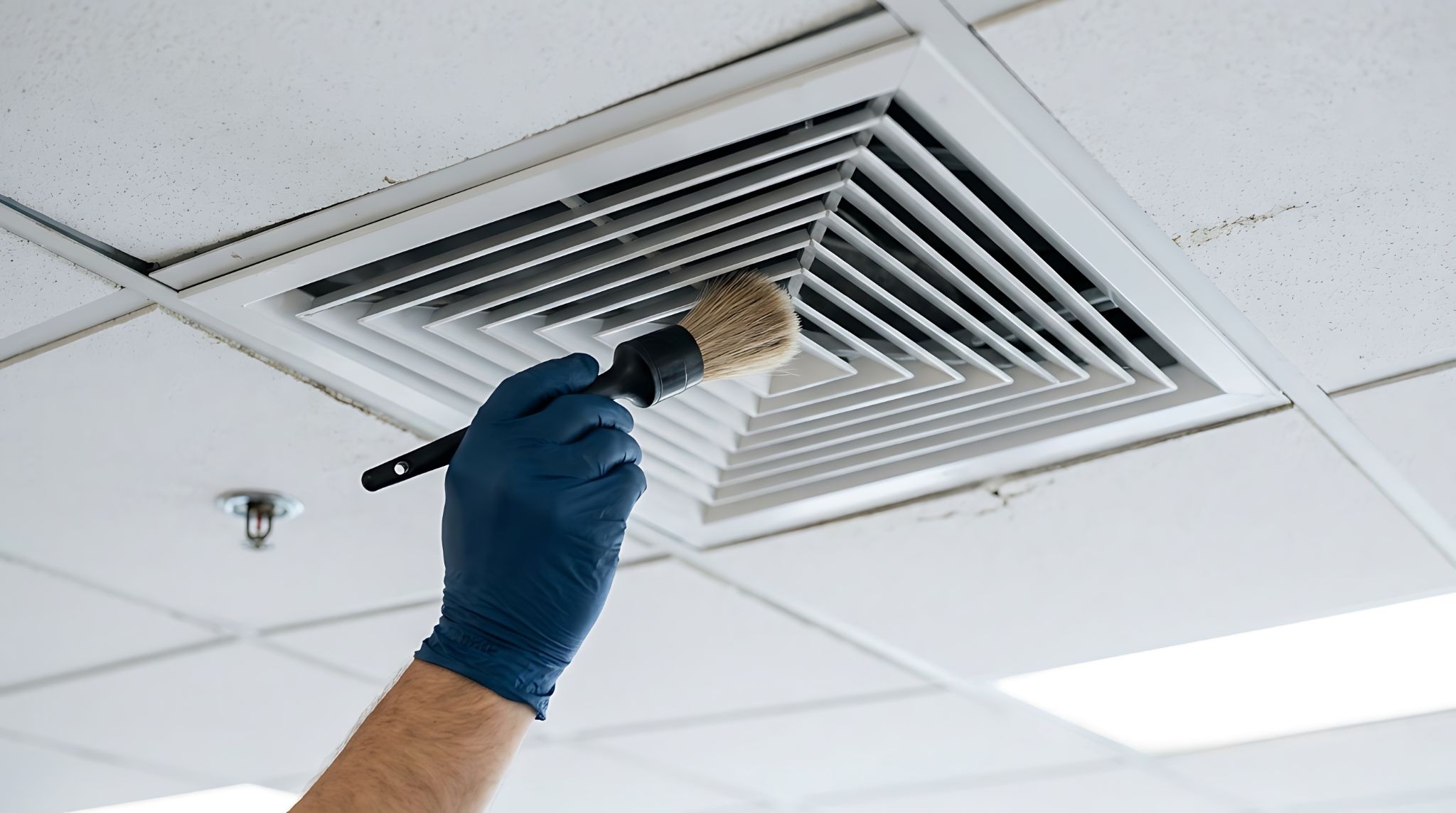
Dirty air filters restrict airflow, making your system work harder. Our maintenance checklist recommends replacing filters every one to three months, but your equipment’s instructions and filter requirements should guide your routine.
Write down the filter size and recommended replacement interval. Set a reminder so checking it becomes a task rather than something you remember after comfort changes. Switching to LED bulbs is another easy habit: unlike incandescent bulbs, they use less energy and give off less heat, and LED lighting can deliver big savings by cutting lighting costs by up to 80%.
The goal is airflow, whether your system delivers cold air during summer or warm air during the heating season.
Include Vents in Your Routine
Keep supply vents open and unobstructed by furniture. Dusty or blocked registers can reduce cooling effectiveness.
Walk through the house and check each vent before seasonal use increases. If one room remains uncomfortable despite clear vents and appropriate filter care, ask about airflow evaluation. Avoid treating uneven comfort as a reason to keep changing the whole-house thermostat. In summer, run ceiling fans counterclockwise for a wind-chill effect, but turn them off when the room is empty because they cool people, not rooms. In winter, set them to rotate clockwise at low speed to circulate warm air.
Address Duct Leaks Where Conditioned Air Travels
Ask for a Ductwork Inspection
Ductwork carries conditioned air through your home. Leaky, disconnected, or poorly designed ducts can waste energy and, in some homes, account for up to 30% of heat loss while contributing to uneven temperatures.
Have a professional check accessible ducts for air leaks, gaps, disconnections, and insulation issues. The technician can explain where repairs or sealing would improve efficiency, help reduce heat loss, and prevent energy waste; sealing leaks may save about 10–20% on heating costs, though results vary by home.
This is a focused way to address your home’s energy efficiency through HVAC performance. Rather than producing more cold air or heat, the aim is to deliver conditioned air where it belongs, which matters even more if a heating system is over 10 years old and uses more energy.
Let Findings Guide Sealing Work
Ask whether your system needs duct repairs, sealing, or another airflow correction. Instructions to seal air leaks should identify the leak location and appropriate method.
Duct sealing can support more even comfort and reduce equipment strain. Ask your technician how the proposed work relates to heating costs, cooling costs, and the rooms you use. Avoid assuming every home will achieve the same percentage reduction in energy use.
Schedule Maintenance Before Seasonal Demand
Professional HVAC maintenance helps equipment operate efficiently and catches developing issues. Routine reviews of energy usage can also help spot habits that raise the electric bill. We recommend at least annual preventative maintenance, with seasonal visits beneficial for many systems.
Book cooling service before summer use and discuss heating maintenance before temperatures drop. Getting your equipment checked ahead of demand gives you an opportunity to address recommended work. A technician may also suggest weatherstripping around doors and windows to prevent air leaks, plus using caulk to seal gaps at window frames or baseboards.
An HVAC maintenance visit may include:
- Filter inspection and airflow checks.
- Coil cleaning or evaluation.
- Thermostat testing and calibration.
- Electrical component inspection.
- Refrigerant checks when appropriate.
- Condensate drain inspection and clearing.
Ask which tasks apply to your equipment. Clean coils and proper airflow help reduce unnecessary workload, while routine care supports consistent temperatures and humidity control.
Explore HVAC maintenance options and request a schedule suited to your system. Maintenance can help manage energy costs and reduce breakdown risk, but it cannot guarantee uninterrupted operation or a specific reduction in your electric bill. During the cooling season, running heat-generating appliances at night can also help keep indoor heat loads lower.
Keep Comfort in the Efficiency Conversation
Lower energy bills matter, but so does how your home feels day to day. Comfort may mean sleeping well, maintaining a consistent temperature throughout the house, or keeping rooms from feeling stuffy.
Humidity is part of that comfort as well. Routine HVAC maintenance and the appropriate indoor air quality solutions can help manage moisture levels while supporting more consistent temperatures.
Ask your technician how controls, airflow, and equipment condition work together. These smart strategies focus on improving performance rather than asking you to tolerate uncomfortable rooms.
Evaluate Upgrades Without Rushing Replacement
An efficient system must fit the home it serves. Proper sizing, compatible controls, suitable ductwork, and proper insulation all matter because envelope performance affects HVAC efficiency.
When discussing replacement, review equipment age alongside maintenance history, repair needs, and comfort goals. Improving the home's energy efficiency may also include insulation upgrades, not just HVAC equipment. Systems around ten to fifteen years old may warrant evaluation, and if older equipment is inefficient, newer heating systems can reduce heating bills significantly over time.
Cold is on the Right’s HVAC services include equipment selection, installation, maintenance, and controls. Ask what an upgrade would improve and whether servicing your existing equipment is appropriate first.
Texas homeowners may also lower energy costs by shopping for competitive electricity rates in the state’s deregulated market.
For help recognizing problems that need evaluation, read Signs Your HVAC System Is Costing More Than It Should.
Make Comfort and Efficiency Work Together
Small changes are easier to maintain when you have a clear plan. Start with filter care and thermostat programming, then arrange professional attention for maintenance and ductwork.
Cold is on the Right can explain your options and help you choose steps for your home.
Frequently Asked Questions
Can Maintenance Help Lower Energy Bills?
Yes. Maintenance supports efficient operation by improving airflow and addressing performance issues. Results depend on equipment condition, usage, and the work needed.
How Often Should I Replace Air Filters?
Our checklist recommends every one to three months. Follow equipment instructions and ask your technician which schedule suits your filter and system.
Will a Smart Thermostat Automatically Save Money?
Savings are not guaranteed. Compatibility, accurate readings, and programming that fits your routine help the thermostat support efficient operation.
Can Duct Sealing Improve Comfort?
Yes. Addressing leaky or disconnected ducts can improve airflow, reduce waste, and support more consistent room temperatures.
Must I Replace an Older Heating System?
No. A professional should consider its condition, performance, and repair history before recommending maintenance, repair, or replacement.