Home Comfort and Health
The air inside your home plays a significant role in how comfortable the space feels and how you feel while spending time there. Dust, pet dander, excess humidity, cooking fumes, cleaning products, and inadequate ventilation can all contribute to poor indoor air quality.
Understanding how poor indoor air quality affects your home can help you recognize potential problems and take practical steps to create a cleaner, more comfortable indoor environment. HVAC maintenance, effective filtration, appropriate humidity control, and good ventilation can all support better air quality.
Quick Answer: How Does Poor Indoor Air Quality Affect Your Home?
Poor indoor air quality can make a home feel dusty, stuffy, humid, dry, or uncomfortable. It may also contribute to persistent odors, excessive dust accumulation, mold growth, and reduced HVAC performance.
For people inside the home, airborne pollutants may cause eye, nose, and throat irritation, headaches, fatigue, coughing, or worsening allergy and asthma symptoms. Children, older adults, and people with respiratory or cardiovascular conditions may be more sensitive to indoor air pollutants.

Key Takeaways
- Common indoor air pollutants include dust, pet dander, mold, smoke, combustion gases, and volatile organic compounds.
- Poor ventilation allows pollutants to accumulate inside the home.
- Indoor humidity should generally remain between 30% and 50%.
- A well-maintained HVAC system can support filtration, airflow, and humidity control.
- HVAC filters cannot remove every type of indoor pollutant.
- Source control, ventilation, filtration, and regular maintenance work best together.
- Carbon monoxide alarms and radon testing address hazards that ordinary HVAC filters cannot detect or remove.
- Symptoms that repeatedly improve after leaving the home may warrant an indoor air quality evaluation and a conversation with a healthcare professional.
Why Indoor Air Quality Matters
According to the EPA’s indoor air quality guidance, Americans spend approximately 90% of their time indoors. This means even relatively small indoor air quality problems can result in frequent or prolonged exposure.
Good indoor air quality involves more than removing visible dust. It also requires attention to ventilation, humidity, combustion safety, filtration, and the products used inside the home.
Indoor air pollution can originate inside the house or enter from outdoor sources. When a home has poor ventilation, pollutants may remain trapped and become more concentrated. Modern homes can be energy-efficient and tightly sealed, but they still need controlled ventilation and effective filtration to maintain a healthy indoor environment.
Common Indoor Air Pollutants
Indoor pollutants vary from one household to another. The following are some of the most common sources.
Dust, Pet Dander, and Allergens
Dust contains a mixture of fibers, soil particles, pollen, skin cells, and other small particles. Homes with pets may also contain dander that circulates through the air and settles on furniture, flooring, and HVAC components.
Dust mites thrive in warm, humid environments. Maintaining appropriate humidity and cleaning regularly can help limit their growth. An HVAC filter with the correct efficiency rating can also capture some airborne particles before they circulate throughout the home.
Volatile Organic Compounds
Volatile organic compounds, commonly called VOCs, are gases released by certain products and materials. Paint, adhesives, cleaning supplies, air fresheners, furnishings, and building materials can all release VOCs.
The EPA’s information about indoor VOCs notes that concentrations of several common organic pollutants can be two to five times higher indoors than outdoors. Choosing low-VOC products, following label instructions, and increasing ventilation while using these products can reduce exposure.
Combustion Pollutants
Gas stoves, fireplaces, furnaces, water heaters, and other fuel-burning appliances can produce combustion pollutants. Proper installation, venting, and maintenance are essential.
Carbon monoxide is particularly dangerous because people cannot see or smell it. Every home with fuel-burning equipment should have working carbon monoxide alarms installed according to manufacturer and local safety recommendations.
If a carbon monoxide alarm sounds, leave the home immediately and contact emergency services. Do not remain inside while attempting to identify the source. If heating equipment needs professional attention after the property is declared safe, schedule qualified furnace repair service.
Outdoor Air Pollutants
Pollen, smoke, dust, vehicle exhaust, and other outdoor pollutants may enter through doors, windows, gaps, and ventilation systems. Opening windows can improve ventilation under appropriate conditions, but it may worsen indoor air quality when outdoor pollen counts or pollution levels are high.
Ventilation decisions should account for the weather, local outdoor air quality, and the needs of people inside the home.
Excess Moisture and Mold
High indoor moisture encourages mold growth, increases dust mite activity, and can lead to condensation or building damage. The EPA generally recommends maintaining relative humidity between 30% and 50%.
HVAC operation can affect indoor humidity, but plumbing leaks and drainage problems can also introduce moisture. Our guide to how plumbing impacts indoor air quality explains the connection between leaks, moisture, mold, and indoor air.
How Poor Air Quality Affects Home Comfort
Poor air quality does not always produce an obvious emergency. In many homes, the first signs are ongoing comfort problems.
Stuffy or Stale Rooms
Rooms may feel stale when the home does not receive adequate ventilation. Odors from cooking, pets, cleaning products, and everyday activities can linger rather than moving outdoors.
Excessive Dust
If dust returns quickly after cleaning, the home may have inadequate filtration, duct leakage, excessive outdoor-air infiltration, or an HVAC filter that does not fit properly. Dust near supply vents can also suggest that the system needs professional inspection.
Humidity Problems
High humidity can make the home feel warmer and stickier than the thermostat indicates. It can also promote condensation, mold, and dust mites.
Very dry indoor air may cause static electricity and contribute to dry skin, irritated nasal passages, or general discomfort. Proper humidity control helps the home feel comfortable without forcing the HVAC system to compensate unnecessarily.
Persistent Odors
Musty, smoky, chemical, or burning odors should not be ignored. A musty smell may indicate excess moisture, while burning or fuel-like odors may signal an equipment or safety problem.
Leave the property and seek emergency assistance if an odor occurs with a carbon monoxide alarm, visible smoke, dizziness, confusion, or nausea.
Uneven Temperatures and Airflow
Poor airflow may leave some rooms uncomfortable and prevent the HVAC filter from working effectively. Clogged filters, blocked vents, duct problems, dirty components, or equipment issues can reduce circulation throughout the home.
Potential Health Effects of Poor Indoor Air Quality
People respond differently to indoor air pollutants. The type of pollutant, concentration, exposure time, and individual health all influence the potential effects.
Short-term exposure may contribute to:
- Eye, nose, or throat irritation
- Coughing or sneezing
- Headaches
- Dizziness
- Fatigue
- Difficulty concentrating
- Worsening allergy symptoms
- Increased asthma symptoms
Repeated or prolonged exposure to certain pollutants may carry more serious respiratory or cardiovascular risks. Radon, for example, is a radioactive gas that can accumulate indoors and increase lung cancer risk. Because radon has no smell or color, the EPA recommends testing your home for radon.
Indoor air quality symptoms are often nonspecific and may have causes unrelated to the home. HVAC technicians can inspect comfort, airflow, filtration, humidity, and equipment conditions, but they cannot diagnose medical problems. Consult a qualified healthcare professional if you have persistent or severe symptoms.
How Your HVAC System Supports Indoor Air Quality
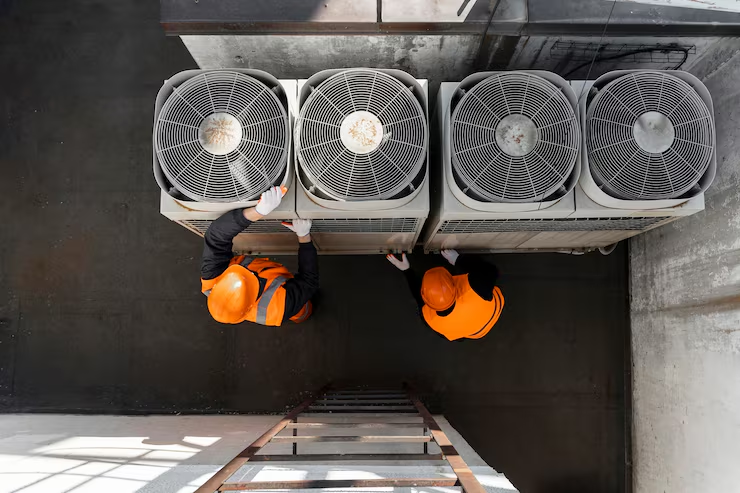
Your HVAC system moves air throughout the home, which gives it an important role in filtration and comfort. However, air conditioning alone does not guarantee good indoor air quality.
A well-maintained system can help by:
- Moving air through the HVAC filter
- Supporting consistent airflow
- Removing some humidity during cooling
- Maintaining more even temperatures
- Reducing dust accumulation within accessible system components
- Identifying drainage, ductwork, or equipment problems
Regular HVAC maintenance allows a technician to inspect the system, check the filter, evaluate airflow, clean appropriate components, examine the condensate system, and look for performance issues.
The right filter also matters. A filter that captures more particles may sound like the obvious choice, but a filter that is too restrictive for the system can reduce airflow. Follow the equipment manufacturer’s guidance or ask an HVAC professional which filter efficiency and size fit your system.
Signs Your Home May Have an Indoor Air Quality Problem
Consider scheduling an evaluation if you notice:
- Dust returning soon after cleaning
- Persistent musty or stale odors
- Condensation on windows or other surfaces
- Indoor humidity that regularly exceeds 50%
- Visible mold or recurring moisture
- Frequent coughing, sneezing, or irritation indoors
- Symptoms that improve after leaving the home
- Uneven airflow or temperatures
- An HVAC filter that becomes dirty unusually quickly
- Smoke or cooking odors that linger for hours
- Excessive pet dander or seasonal allergens
- Unexplained soot near fuel-burning equipment
These signs do not identify a single cause. A professional inspection can help determine whether the problem involves filtration, ventilation, humidity, HVAC performance, plumbing-related moisture, or another source.
Ways to Improve Indoor Air Quality
No single product solves every indoor air quality concern. A more effective approach combines several strategies.
Control Pollution at the Source
Reduce or remove pollutant sources whenever practical. Choose low-VOC products, avoid smoking indoors, store chemicals safely, and use cleaning products according to their instructions.
Improve Ventilation
Use kitchen range hoods and bathroom exhaust fans that vent outdoors. Bring in outdoor air when weather and air quality conditions permit. Avoid opening windows when smoke, pollen, or outdoor pollution levels are high.
Maintain Appropriate Humidity
Aim for relative humidity between 30% and 50%. Address water leaks, drainage issues, and recurring condensation promptly.
Replace HVAC Filters
Inspect filters regularly and replace them according to the manufacturer’s guidance, household conditions, and system usage. Homes with pets, renovation dust, or allergy concerns may need more frequent replacement.
Consider an Air Cleaner
A properly sized portable air cleaner with a HEPA filter can help remove airborne particles from a specific room. Avoid devices that intentionally produce ozone. Air cleaners complement source control and ventilation but do not replace them.
Maintain Safety Devices
Install and test smoke and carbon monoxide alarms. Arrange radon testing, particularly if the home has never been tested or has undergone significant structural or ventilation changes.
Schedule an Indoor Comfort Evaluation
If your home feels dusty, humid, stale, or uncomfortable, Cold is on the Right can inspect your HVAC system and help identify practical opportunities to improve filtration, airflow, humidity control, and overall comfort.
Our team provides straightforward recommendations based on the condition of your home and equipment. Schedule your service with Cold is on the Right or call (512) 271-2172 to get started.
Frequently Asked Questions
Can poor indoor air quality make you feel sick?
Poor indoor air quality may contribute to irritation, headaches, fatigue, coughing, or worsening allergy and asthma symptoms. These symptoms can have many causes, so consult a healthcare professional if they persist or become severe.
What indoor humidity level is best?
The EPA generally recommends maintaining indoor relative humidity between 30% and 50%. This range can support comfort while discouraging mold and dust mite growth.
Does an HVAC filter remove every indoor pollutant?
No. HVAC filters primarily capture particles, and their effectiveness varies by filter type and system design. Standard filters do not remove radon or carbon monoxide, and they may not effectively remove gases or all VOCs.
How often should I change my HVAC filter?
Follow the filter and equipment manufacturers’ recommendations. Usage, filter type, pets, dust, allergies, and household size can affect replacement frequency. Inspect the filter regularly rather than relying only on a fixed schedule.
Will opening windows improve indoor air quality?
Opening windows can increase ventilation when outdoor conditions are favorable. Keep them closed when outdoor air contains high levels of smoke, pollen, dust, or pollution.
Can HVAC maintenance improve indoor air quality?
HVAC maintenance can support better airflow, filtration, humidity control, and system cleanliness. It cannot eliminate every pollutant, but it is an important part of a broader indoor air quality strategy.