Quick Answer
Plumbing problems like hidden leaks, sewer gas exposure, poor ventilation, and excess moisture can significantly impact indoor air quality. When plumbing systems fail or develop small issues, they can introduce mold spores, bacteria, and harmful gases into your home’s air.
Key Takeaways
- Hidden plumbing leaks contribute to mold growth and airborne allergens
- Dry drain traps can allow sewer gases into your living space
- Blocked plumbing vents disrupt airflow and drainage
- Excess moisture increases indoor humidity and health risks
- Routine plumbing inspections help protect air quality
The Overlooked Connection Between Plumbing and Air Quality
Most homeowners think about plumbing in terms of water supply and drainage. However, your plumbing system plays a critical role in maintaining healthy indoor air quality.
Every time water flows through pipes or drains, the system is designed to safely remove waste and prevent sewer gases from entering your home. When components fail, even slightly, plumbing problems can lead to air contamination, persistent odors, and elevated moisture levels that affect overall comfort and health.
How Water Leaks Lead to Mold and Mildew
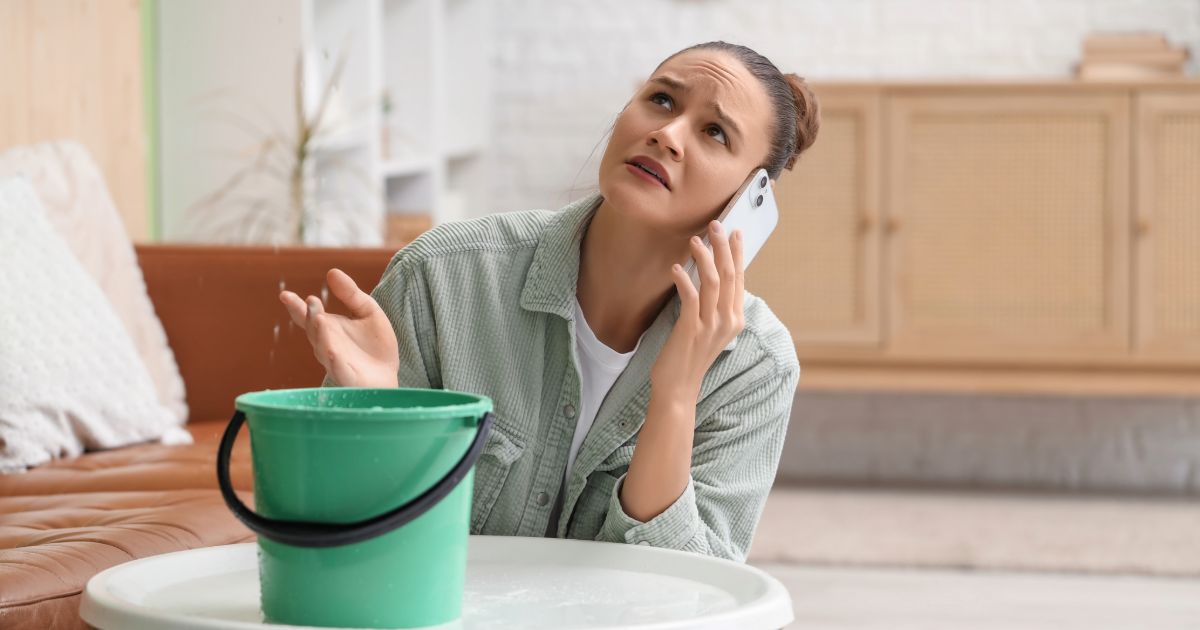
One of the most common ways plumbing impacts indoor air quality is through hidden water leaks. Slow leaks under sinks, behind walls, or beneath flooring can go unnoticed for months.
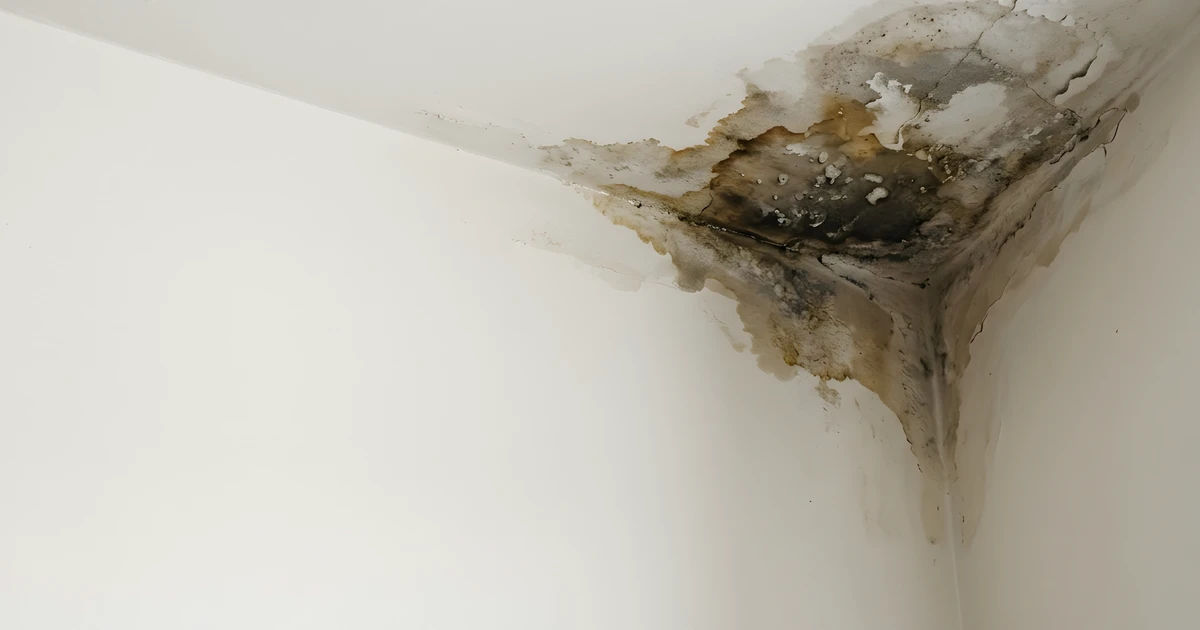
Moisture buildup creates the perfect environment for mold and mildew growth. Mold spores become airborne and circulate through your HVAC system, potentially causing respiratory irritation, allergy symptoms, and musty odors throughout your home. Even small leaks can compromise indoor air if left untreated.
Sewer Gases and Dry Drain Traps
Plumbing systems are equipped with drain traps that hold water to block sewer gases from entering your home. When a drain trap dries out—often in rarely used sinks or floor drains—those gases can escape into your living space.
Sewer gases may contain methane and hydrogen sulfide, which produce strong sulfur or rotten egg smells. In addition to unpleasant odors, prolonged exposure can cause headaches, nausea, and respiratory discomfort. Keeping drain traps filled with water is a simple but important step in maintaining indoor air quality.
Plumbing Vent Pipes and Proper Airflow
Plumbing vent pipes are installed to regulate air pressure within your drainage system and safely release sewer gases outside. If these vents become blocked by debris, nests, or buildup, airflow is disrupted.
Blocked vents can lead to gurgling drains, slow drainage, and unpleasant smells inside the home. Proper ventilation ensures waste flows smoothly while preventing contaminated air from entering living spaces.
Excess Humidity and Moisture Problems
Leaking pipes and faulty fixtures can increase indoor humidity levels. Excess moisture in walls, ceilings, and crawl spaces promotes mold growth and attracts dust mites, both of which negatively impact indoor air quality.
High humidity also makes indoor spaces feel uncomfortable and forces HVAC systems to work harder. Maintaining proper plumbing performance helps control moisture levels and supports a healthier indoor environment.
Warning Signs Your Plumbing Is Affecting Your Air
Your home may be experiencing plumbing-related air quality issues if you notice:
- Persistent musty or sewer-like odors
- Visible mold near sinks or plumbing fixtures
- Discolored walls or ceiling stains
- Increased allergy symptoms indoors
- Gurgling sounds from drains
How to Protect Your Indoor Air Quality
Protecting indoor air starts with preventative plumbing maintenance. Homeowners can reduce risk by:
- Inspecting under sinks for signs of moisture
- Running water in unused drains to prevent dry traps
- Repairing leaks promptly
- Scheduling a professional plumbing inspection
- Addressing slow drains before they worsen
When to Call a Professional Plumber
If you suspect a hidden leak, persistent sewer odors, or unexplained humidity issues, it’s time to make an appointment for plumbing services in Austin, TX. Plumbing problems that affect indoor air quality often develop behind walls or under floors, making them difficult to detect without proper tools.
A licensed plumber can identify the root cause, repair the issue, and restore your plumbing system to proper working order, helping protect your home’s structure and the air your family breathes every day.
Addressing plumbing issues early can improve comfort, reduce health risks, and protect your investment long term. Schedule your service today!