Quick Answer
Hidden water leaks often show up through subtle signs like higher water bills, musty odors, or unexplained moisture. Even small leaks can cause damage over time, so early detection is key to preventing costly repairs.
Key Takeaways
- Hidden leaks often go unnoticed until damage has already started
- Rising water bills can be one of the earliest warning signs
- Musty smells or damp areas may indicate moisture behind walls or under floors
- Small leaks can lead to mold growth and structural issues over time
- Early detection helps prevent expensive repairs and long-term damage
Why Hidden Water Leaks Are Easy to Miss
Unlike visible plumbing issues, hidden leaks develop slowly and often stay out of sight. They can occur behind walls, under flooring, in ceilings, or even beneath your foundation.
Because the signs are subtle at first, many homeowners overlook them or assume they are minor issues. Over time, however, even a small leak can lead to significant water damage, mold growth, and higher utility costs.
The challenge is not just finding the leak. It is recognizing the early signs before the damage spreads.
Common Warning Signs of a Hidden Water Leak
Hidden leaks rarely announce themselves clearly. Instead, they show up through small changes around your home.
Unexplained Increase in Water Bills
If your water usage has not changed but your bill continues to rise, a hidden leak could be the cause. Even a slow drip behind a wall can add up over time.
Musty or Damp Odors
A persistent musty smell often points to trapped moisture. This is common in areas where water is leaking but not visible, such as behind drywall or under flooring.
Discoloration on Walls or Ceilings
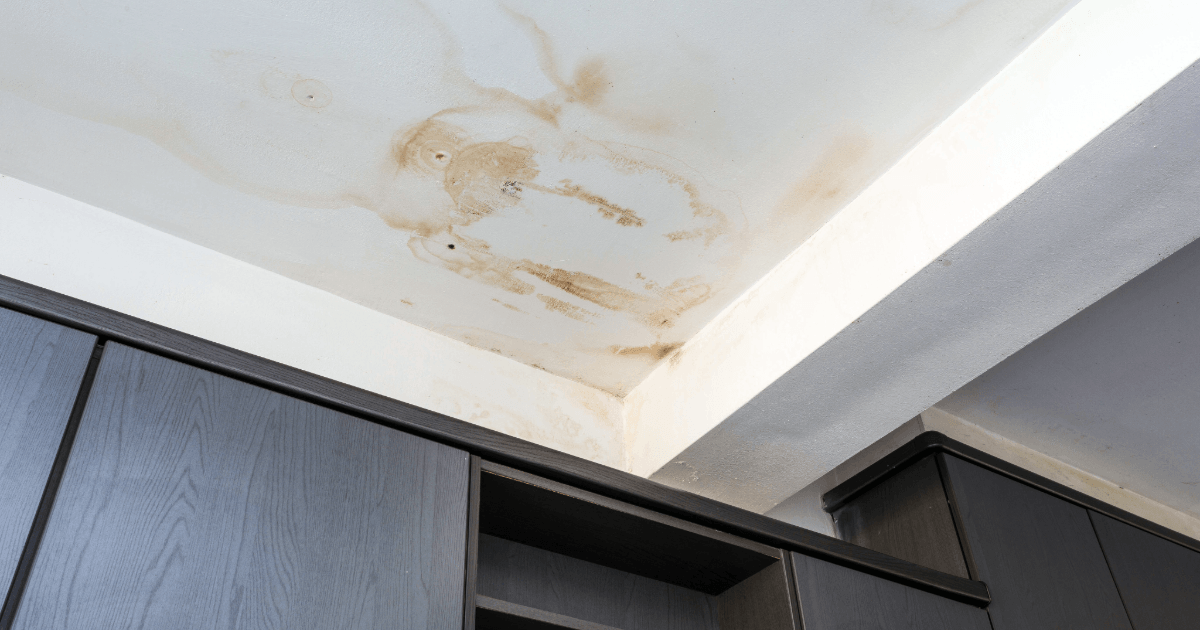
Water stains, bubbling paint, or warped drywall are strong indicators that moisture is building up where it should not be. These signs usually appear after the leak has been present for some time.
Reduced Water Pressure
A drop in water pressure can sometimes signal a leak within your plumbing system. If pressure changes without explanation, it is worth investigating further.
Sounds of Running Water
Hearing water when no fixtures are in use can point to a hidden issue. This is especially noticeable in quiet areas of the home.
Where Hidden Leaks Typically Occur
Hidden leaks tend to develop in areas where plumbing is either out of sight or exposed to long-term wear. Because these spaces are not part of your daily routine, small issues can go unnoticed until damage starts to surface. Over time, even a minor leak in one of these areas can spread moisture into surrounding materials, making the problem harder to trace back to its source.
Understanding where leaks are most likely to occur can help you know where to look when something feels off. These are some of the most common problem areas:
- Behind walls in kitchens and bathrooms
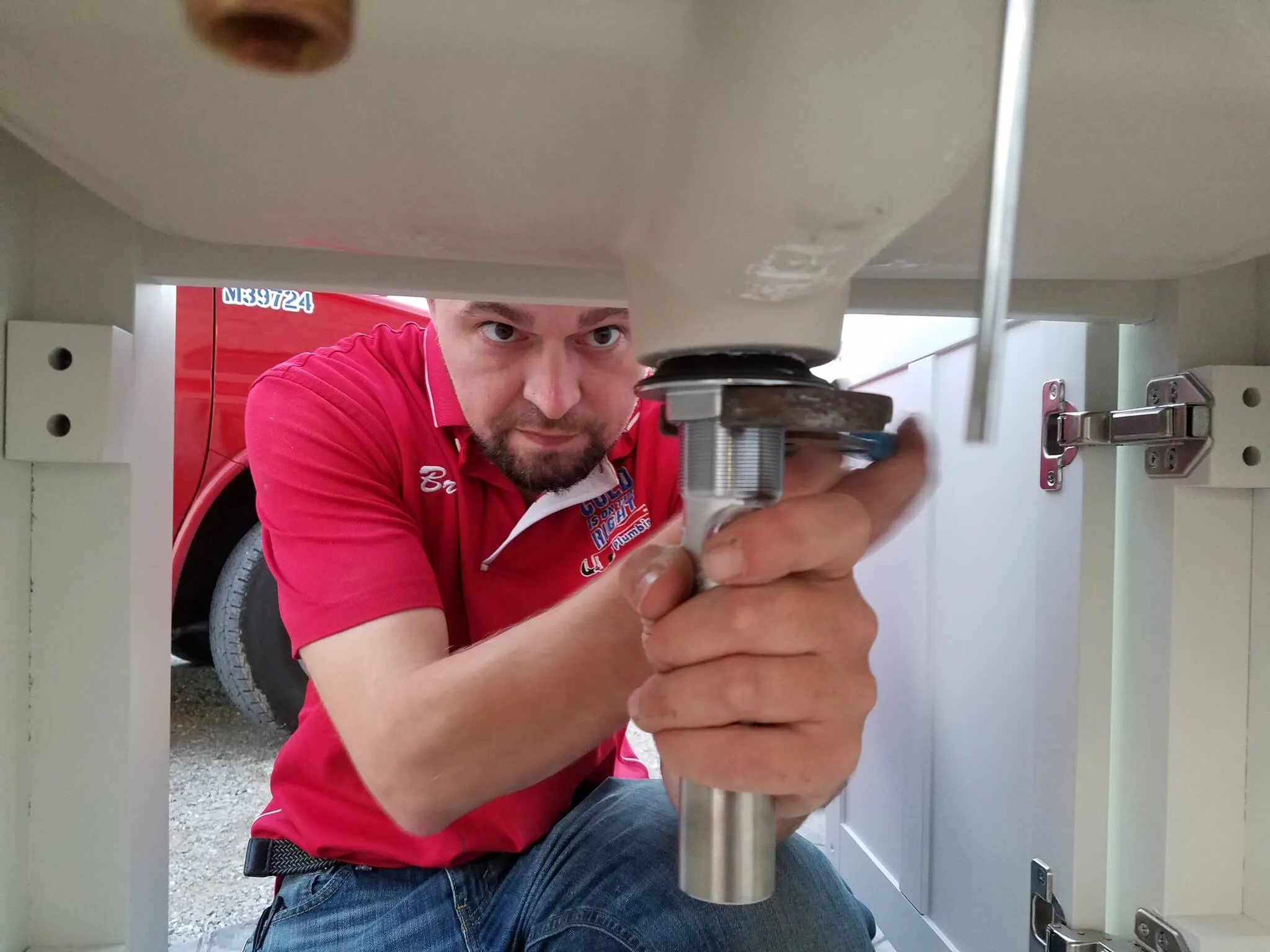
- Under sinks or inside cabinets
- Beneath flooring or slab foundations
- Around water heaters or laundry areas
- In ceilings below bathrooms or upstairs plumbing
How to Check for a Hidden Leak
There are a few simple ways to determine if your home may have a hidden leak before calling a professional.
Monitor Your Water Meter
Turn off all water fixtures in your home and check your water meter. If it continues to move, there is likely a leak somewhere in your system.
Inspect Common Problem Areas
Look for signs of moisture, staining, or soft spots in walls, ceilings, and floors. Even minor changes can point to a developing issue.
Check Outdoor Areas
Leaks are not always inside the home. Irrigation systems, outdoor spigots, and underground lines can also contribute to water loss.
Why Acting Early Matters
A hidden leak might seem minor at first, but the longer it goes undetected, the more damage it can cause. Water has a way of spreading beyond the original source, affecting materials that were never directly exposed to the leak itself.
What starts as a slow drip can eventually lead to more serious issues that impact both your home and your health. Acting early helps limit that spread and keeps repairs manageable.
Hidden leaks can lead to:
- Structural damage to walls and flooring
- Mold growth and poor indoor air quality
- Increased water bills
- Damage to insulation and electrical systems
When to Call a Professional
If you are noticing signs of a hidden leak but cannot pinpoint the source, it is time to bring in a professional. Some leaks develop behind walls, under flooring, or beneath the foundation, which makes them difficult to locate without the right tools and experience.
Cold is on the Right works with homeowners to identify hidden leaks quickly and accurately. Their team uses proven methods to trace the source of moisture, confirm the issue, and recommend the best path forward without unnecessary disruption to your home.
Preventing Hidden Leaks in the Future
While not all leaks can be avoided, regular maintenance can reduce your risk.
- Inspect plumbing fixtures and connections periodically
- Replace aging pipes or worn components
- Monitor water usage for unexpected changes
- Schedule routine plumbing inspections
Protect Your Home from Hidden Water Damage
Hidden leaks in Austin, TX, can cause serious damage if left unchecked, but early detection makes all the difference. Paying attention to small warning signs can help you avoid costly repairs and keep your home in good condition.
If you suspect a hidden leak in your home, Cold is on the Right can help. Schedule an inspection today and get clear answers before the problem gets worse.