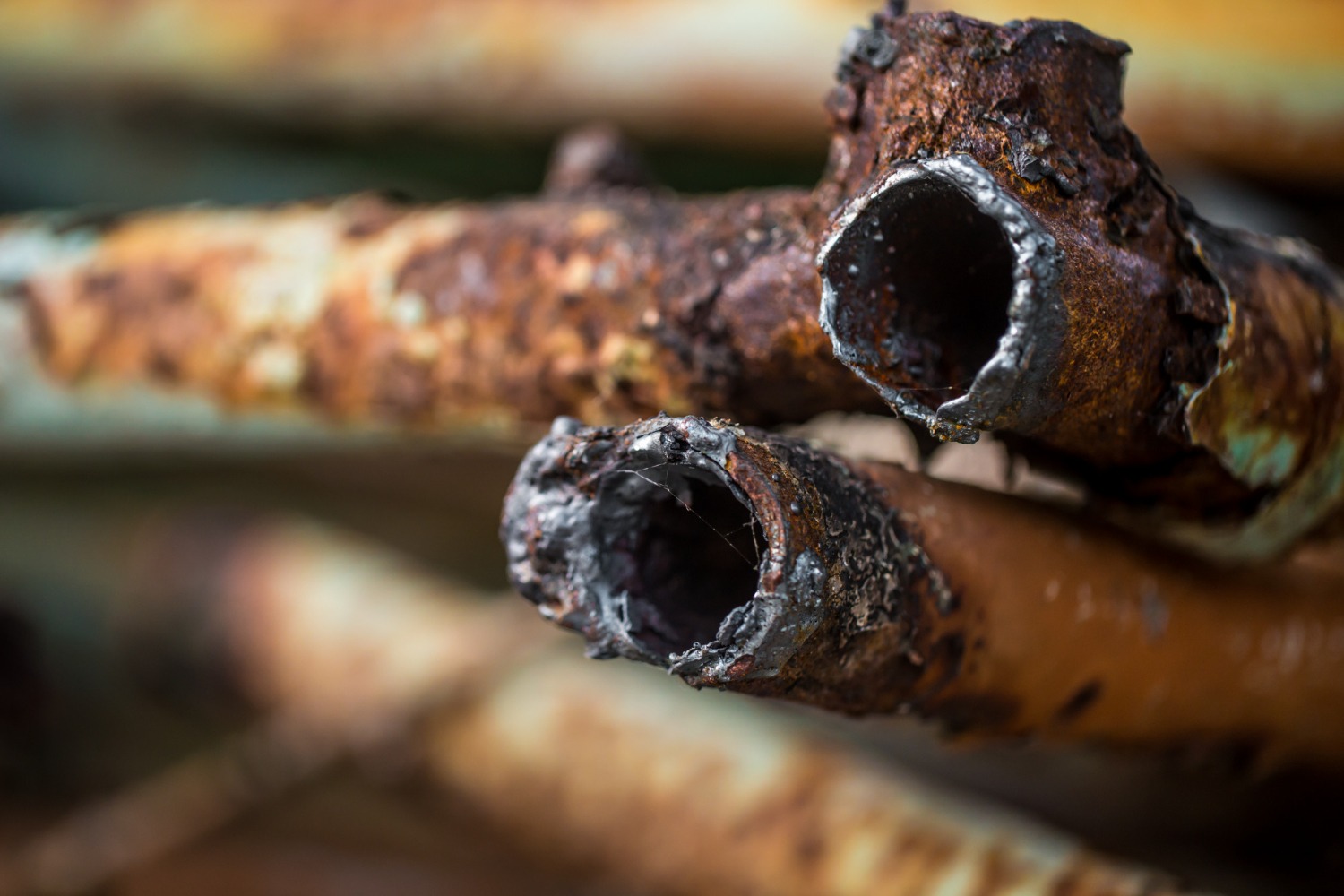
ALT TEXT: A close-up view of several old, heavily rusted, and corroded metal pipes stacked together.
Quick Answer
Tree roots damage plumbing lines by entering cracks, loose joints, or weakened sections of sewer pipes. Inside the line, root growth can restrict flow and contribute to structural damage. A camera inspection helps identify tree root intrusion so a plumber can recommend cleaning, repair, or replacement based on the pipe’s condition.
Key Takeaways
- Roots follow moisture and can enter vulnerable sewer pipes.
- Root clogs can restrict drainage and contribute to pipe damage.
- Slow drains, gurgling sounds, and recurring backups deserve attention.
- Removing roots does not repair damaged pipe walls or joints.
- Inspection helps determine which solution your plumbing system needs.
Have you ever wondered why your drain keeps backing up, even after you’ve cleared it? The problem could be growing beneath your yard. Tree roots can enter cracks or loose joints in underground sewer pipes, creating blockages that keep returning. Knowing how roots get in and which warning signs to watch for can help you decide when it’s time to call a plumber.
How Tree Roots Get Into Underground Plumbing Lines
Moisture Draws Roots Toward Vulnerable Pipes
Tree roots tend to seek moisture. Small cracks and loose joints in sewer lines can give them an opening, particularly where older pipes have deteriorated. Moisture escaping into the surrounding soil can draw roots toward those vulnerable areas.
Older clay or cast iron sewer pipes may develop openings that allow root invasion. Tree growth near your underground plumbing is worth considering when drainage problems develop, but nearby trees alone do not confirm the cause. The pipe needs inspection.
Roots Grow Inside the Sewer Line
Once inside, roots can trap debris and restrict wastewater flow. As root growth continues, the blockage can worsen. Roots may also contribute to cracks, joint separation, and severe pipe damage.
Clearing the obstruction and repairing the pipe address different problems. Removing roots restores space for drainage, while repairing a compromised section addresses damage that may allow more roots to enter. Both may be necessary, depending on inspection findings.
Warning Signs of Possible Root Intrusion
Your plumbing may give you clues before you can see anything unusual outside. Pay attention to changes that repeat or affect several fixtures.
Common signs of sewer trouble include:
- Slow drains or recurring clogs.
- Gurgling sounds from drains or toilets.
- Water backing up into sinks, tubs, or toilets.
- Foul odors near plumbing fixtures.
- Soggy grass or unexpected standing water near the sewer line.
These symptoms can indicate root intrusion, but grease buildup, corrosion, aging pipes, and shifting soil can also cause sewer problems. Professional help can identify the cause rather than treating every recurring blockage as a root clog.
When requesting service, describe what happens and how often. Does one sink drain slowly, or do several fixtures back up? Have you noticed wet ground outside? Has cleaning helped only briefly? Those details provide a useful starting point.
Sewer Pipes and Water Pipes Need Separate Evaluation
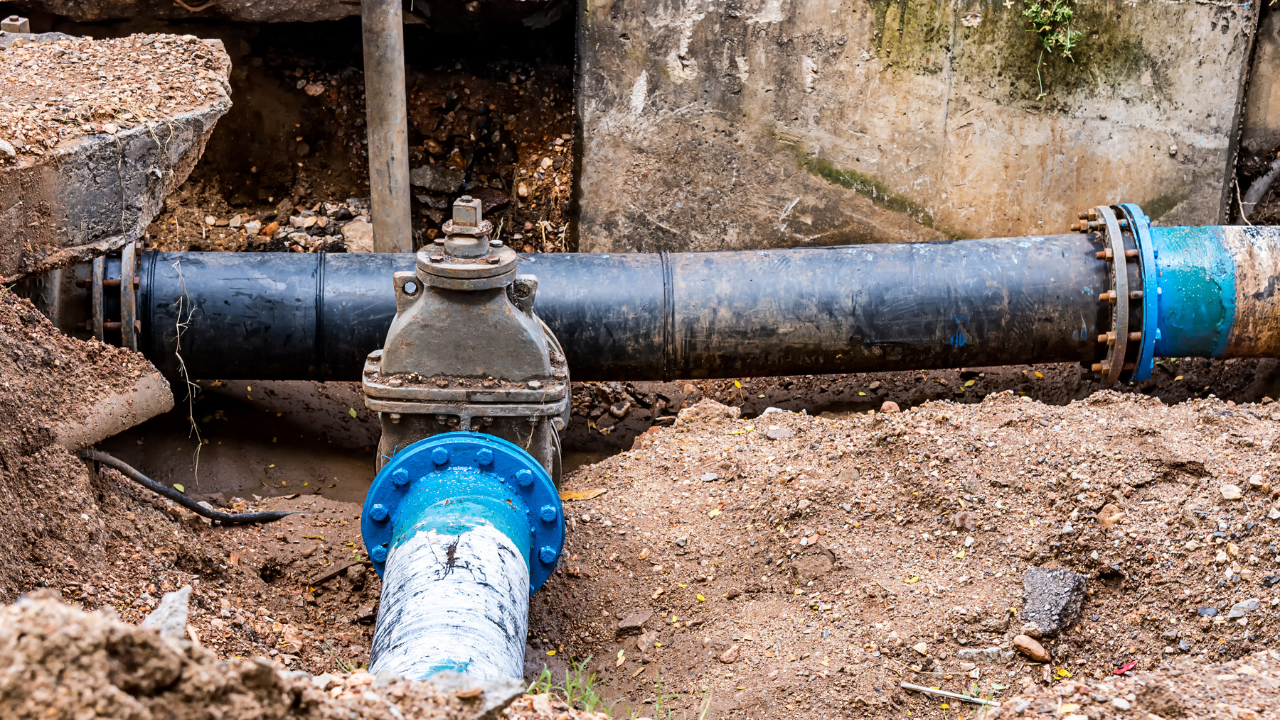
The root intrusion described here concerns sewer pipes. Water pipes deliver your home’s water supply, so suspected supply-line problems need their own evaluation.
Cold is on the Right provides water line inspections, repairs, and replacements for leaks, breaks, aging pipes, and pressure problems. Low water pressure or a suspected underground leak should be investigated without assuming tree roots caused it.
When scheduling plumbing services, explain whether the issue involves drainage, water delivery, or both. Identifying the affected system helps keep the diagnosis focused.
How Plumbers Identify Tree Root Damage
Inspect the Pipe From Inside
A camera inspection allows a plumber to look inside the line for roots, cracks, offset joints, and other hidden problems. This helps establish where the issue is and whether the existing pipe has structural damage.
The findings guide the recommendation. Roots inside a pipe do not automatically mean the whole line needs replacement. Equally, clearing a blockage does not establish that the pipe is sound.
Ask What the Findings Mean
Before approving work, ask:
- What did the inspection reveal?
- Does the line need cleaning, repair, or replacement?
- Is the damage confined to one section?
- What follow-up is recommended?
You deserve clear answers about what each step addresses.
How Professionals Remove Tree Roots and Repair Damage
Clear Roots With Appropriate Equipment
Plumbers may use cutting tools or hydro jetting to remove tree roots. Hydro jetting uses high-pressure water to clear roots and other buildup. The plumber should determine whether that method is appropriate for your system.
Cold is on the Right’s drain services include professional cleaning methods. If a drain snake has provided only temporary relief, explain that history. Stubborn roots or recurring clogs deserve investigation, particularly when the pipe’s condition remains unknown.
Repair a Compromised Section
A targeted repair may be appropriate when damage affects one section of an otherwise sound line. Accessing and replacing that section can involve digging.
Ask how the repair location relates to landscaping, concrete surfaces, and other property features. Understanding access requirements helps you prepare for the proposed work.
Replace a Severely Damaged Line
Extensive deterioration or widespread structural damage may require replacement. Modern PVC and HDPE pipes are more resistant to root intrusion and corrosion than older clay or cast iron lines.
Explore the company’s sewer services and ask which approach fits your inspection findings.
Proactive Measures to Protect Underground Plumbing
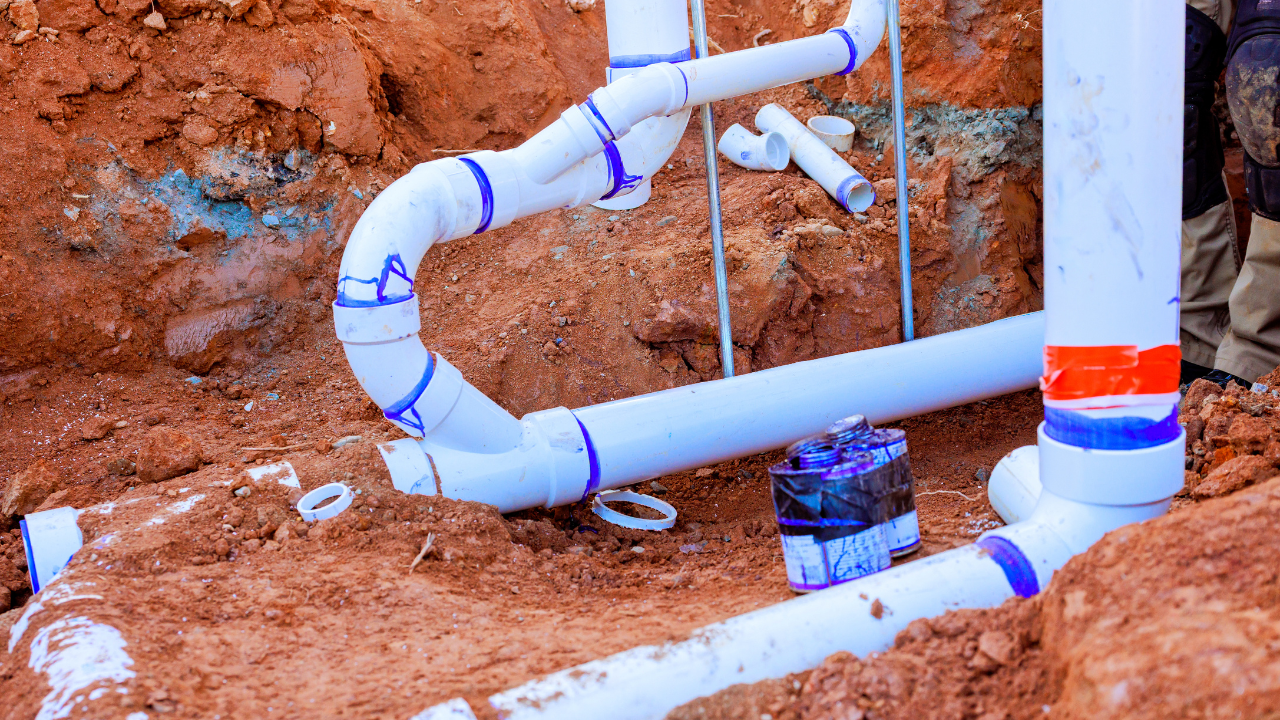
Start with the condition of your existing line. Has it been inspected? Have roots been found before? Were previous problems addressed through cleaning or pipe repair?
Periodic camera inspections can help detect root intrusion before further damage develops. Ask your plumber what follow-up makes sense for your system.
Trees and shrubs can both contribute to root concerns around sewer lines. For landscaping decisions, request property-specific guidance rather than relying on a universal planting distance.
Keep inspection reports and repair records together. Those records give future maintenance conversations a starting point. Addressing recurring symptoms helps protect your plumbing and keeps unresolved drainage trouble from disrupting daily life.
Get Answers Before the Next Backup
Recurring clogs deserve a closer look. Understanding what is inside your sewer line helps you choose a solution that addresses the actual problem.
Cold is on the Right can inspect your plumbing, explain the findings, and discuss the next step. Get clear answers and a plan for your home.
Frequently Asked Questions
Can Tree Root Intrusion Affect Newer Plumbing?
Yes. Roots can enter vulnerable pipe joints on newer properties, too. A newer home does not rule out root intrusion. Inspection can help confirm the cause.
Do Gurgling Sounds Mean Roots Are Blocking the Line?
Gurgling can indicate sewer trouble, including possible root intrusion. It does not identify the cause by itself. Mention accompanying symptoms, such as slow drains or backups, when requesting service.
How Do Plumbers Remove Tree Roots?
Professional methods may include cutting tools or hydro jetting. The appropriate approach depends on the obstruction and pipe condition. Inspection helps determine whether repairs are also needed.
Does Clearing Root Clogs Prevent Roots From Returning?
Cleaning removes the obstruction but does not repair damaged entry points. If cracks or compromised joints remain, roots may return. Pipe repair may be needed to address recurrence.
Does Root Damage Always Require Full Replacement?
No. Limited damage may allow targeted repair. Extensive deterioration or structural failure may require replacement. The recommendation should follow inspection findings and the condition of the line.