Why Do Older Homes Experience More Plumbing Problems?
Quick Answer
Older homes experience more common plumbing problems because their pipes were built with materials that were not designed to last forever. Galvanized steel, cast iron, and even early copper lines corrode, restrict water flow, and eventually fail. Austin's expansive clay soil and hard water make the wear even worse, since shifting ground stresses pipe joints and mineral buildup narrows them from the inside. A professional plumbing inspection is usually the fastest way to find out how much life is left in an older home's system.
Key Takeaways
- Homes built before the 1980s often still have galvanized steel, cast iron, or even lead service lines that were never meant to last a century.
- Corroded pipes are one of the most common causes of low water pressure and discolored water in older homes.
- Austin's expansive clay soil shifts with the seasons, which puts extra stress on aging pipe joints and can lead to slab leaks.
- Tree roots and bellied sewer pipes are two of the most frequent causes of sewer line failure in older neighborhoods.
- Hard water in the Austin area accelerates mineral buildup inside pipes and fixtures, shortening their usable life.
- Small, slow leaks in old plumbing often go unnoticed until they cause real water damage or a spike in the water bill.
- Cold is on the Right offers whole-house repiping and leak detection for Austin homeowners dealing with aging plumbing systems.
What Makes Older Homes More Prone to Plumbing Problems?
Older homes were built with the best materials available at the time, but plumbing technology has changed a great deal since then. Pipes that were considered standard decades ago are now known to corrode, crack, or fail well before a modern system would. Many homeowners do not think about their plumbing until a problem shows up, and by then the underlying pipes may already be worn thin.
Age alone is not the only factor at play. Building codes have evolved, water quality has changed, and the way homes settle over time adds pressure that older systems were never designed to handle. In Austin specifically, homes sitting on expansive clay soil face constant ground movement that younger plumbing systems in newer subdivisions were built to accommodate, while older pipes were not.
The result is a plumbing system that wears down from multiple directions at once. Materials degrade internally from water quality and mineral buildup, while the pipes themselves face external stress from soil movement and age-related brittleness. That combination is why common plumbing issues tend to cluster more heavily in older Austin homes than in newer construction.
What Types of Old Pipes Cause the Most Problems?
The type of pipe running through a home has a direct impact on how many problems it is likely to cause. Some plumbing materials were common decades ago but are now known to fail predictably as they age.
- Galvanized steel pipes: Common in homes built before 1960, these pipes corrode from the inside out, which restricts water flow and eventually blocks it almost entirely.
- Cast iron pipes: Frequently used for drain and sewer lines in older construction, cast iron rusts and can develop cracks or full breaks over time.
- Lead service lines: Found in some of the oldest homes, lead pipes can leach hazardous amounts of lead into drinking water and should be replaced as soon as they are identified.
- Polybutylene pipes: Widely installed in homes built from the 1970s through the 1990s, this plastic piping is prone to leaks as it deteriorates with age.
- Early copper pipes: More durable than the materials above, copper still corrodes over many decades, especially in homes with aggressive water chemistry.
Identifying which of these materials is present is usually the first step a professional plumber takes when evaluating an older home's plumbing system. From there, the conversation shifts to whether a full repipe or a more targeted repair makes sense.
How Does Low Water Pressure Point to Aging Pipes?
Low water pressure in an older home is almost always a sign that something inside the pipes is restricting water flow. Corroded pipes narrow over time as rust and mineral deposits build up along the interior walls, which leaves less room for water to move through. Galvanized steel pipes are especially prone to this kind of internal corrosion, and it tends to get worse every year the pipe stays in service.
A sudden drop in water pressure can also point to a leak somewhere in the system rather than gradual corrosion. Both scenarios are worth investigating, since ignoring low pressure rarely makes the underlying problem go away on its own. Homeowners sometimes assume weak pressure is just how their house has always been, but it is usually a symptom of aging pipes that are only getting worse with time.
Mineral buildup adds another layer to the problem. Austin's hard water leaves calcium and other minerals behind in pipes and fixtures, which compounds any corrosion already taking place. A water softener can help slow this process down in homes that still have serviceable plumbing, and many homeowners pair that fix with a broader look at their pipe condition.
Why Do Older Homes Experience More Leaks and Burst Pipes?
Older homes leak more often because their pipes have simply had more time to wear down. Small leaks tend to develop first, often around joints, fittings, and older fixtures where metal-on-metal connections loosen or corrode over the years. Left unaddressed, these small leaks can turn into much larger problems.
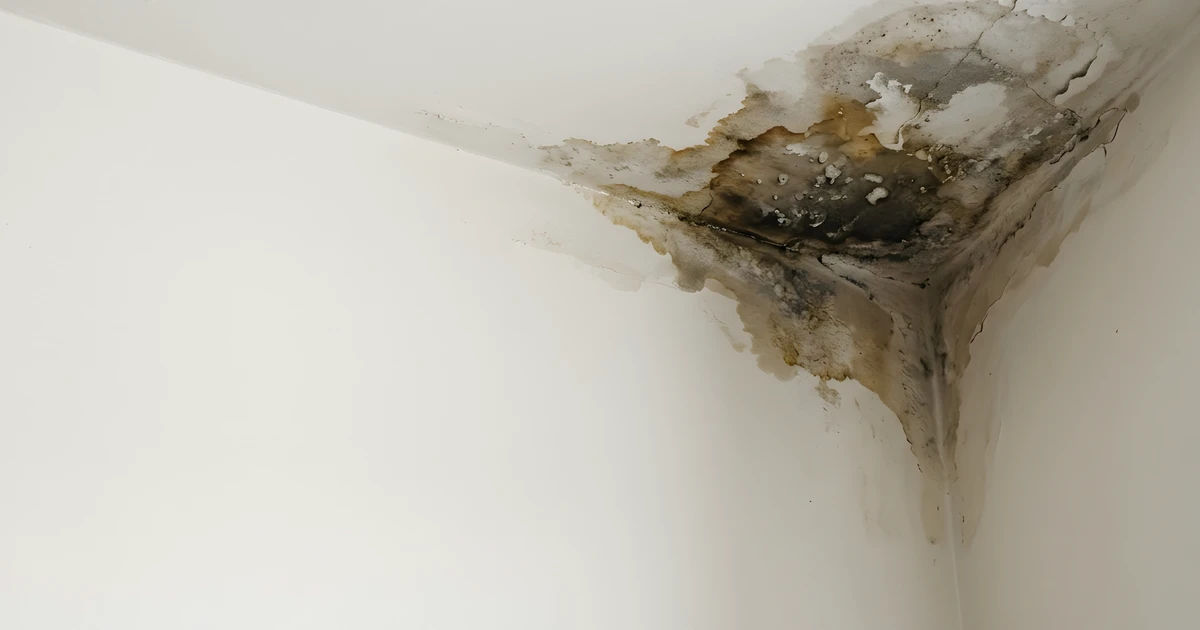
Frequent leaks are one of the clearest warning signs that a home's plumbing materials have reached the end of their expected life. Galvanized steel and polybutylene pipes are both known for developing leaks as they deteriorate, and once one section starts failing, nearby sections are often not far behind. Hidden leaks inside walls or beneath slabs are particularly concerning, since they can cause significant water damage long before anyone notices a wet spot or a stain.
Austin's soil conditions raise the stakes even further. The area's expansive clay soil shifts with rainfall and drought cycles, which puts stress on pipe joints running beneath the home. That movement can turn a minor weak point in old plumbing into a burst pipe, sometimes with very little warning. Homeowners who notice a sudden spike in their water bill or damp spots on flooring should treat those as signs worth investigating quickly, since hidden leaks rarely resolve on their own.
Why Are Clogged Drains More Common in Old Houses?
Clogged drains show up more often in older homes because of a combination of pipe condition and years of accumulated debris. Cast iron and galvanized steel pipes develop rough, corroded interior surfaces over time, and that texture gives grease, soap scum, and other debris more to grip onto as it moves through the system.
A few habits make this worse in homes with aging plumbing:
- Pouring grease or oil down kitchen drains, which hardens and narrows already restricted pipes
- Flushing excess toilet paper or wipes through older, narrower drain lines
- Relying on chemical drain cleaners, which can damage old pipe materials rather than clear the clog safely
- Skipping regular drain maintenance, which allows debris to build up gradually over years
Slow drains are often an early warning sign rather than a one-time inconvenience. When a drain problem keeps returning despite regular cleaning, it usually points to a deeper issue with the pipe itself rather than a simple blockage. A professional drain service can determine whether the pipe just needs clearing or whether corrosion and age have narrowed it permanently.
What Are the Warning Signs of Sewer Line Failure?
Sewer line failure in older homes usually announces itself through a handful of noticeable warning signs. Foul-smelling wastewater near drains, unexplained puddles in the yard, and gurgling sounds coming from toilets or drains are all signals that something further down the line is not working correctly.
Tree roots are one of the most common causes of sewer line problems in established Austin neighborhoods, where mature trees have had decades to grow near underground pipes. Roots seek out moisture and can work their way into small cracks in aging cast iron or clay sewer pipes, eventually causing significant blockages. Over time, sections of pipe can also develop a bellied or sunken section, which allows waste and toilet paper to collect instead of flowing through normally, leading to repeated backups.
Shifting foundations add another risk factor specific to this region. As Austin's clay soil expands and contracts, sewer lines running beneath the home can separate at their joints or crack under the pressure. An annual sewer camera inspection is one of the most reliable ways to catch these problems before they turn into a full backup, especially in homes with original sewer lines that have never been inspected.
How Does Austin's Hard Water Add to the Wear on Older Plumbing?
Austin's water supply is known for being notably hard, and that mineral content takes a real toll on aging plumbing over time. Calcium and magnesium deposits build up gradually inside pipes, fixtures, and water heaters, narrowing water flow and adding extra strain to a system that may already be corroding from the inside.
Homeowners often notice the effects of hard water before they connect it to their plumbing's age. Soap scum that will not fully rinse away, a metallic taste in drinking water, and mineral buildup around faucets and showerheads are all common symptoms. In older homes, these effects tend to compound faster because the interior pipe surfaces are already rougher from years of corrosion, giving mineral deposits even more surface area to cling to.
A water softener is one of the more effective tools for slowing this process down, particularly in homes where the underlying pipes are still in reasonably good condition. It will not undo existing corrosion, but it can meaningfully extend the useful life of both old and new plumbing materials by reducing the mineral load moving through the system every day.
Is Full Repiping Necessary, or Can You Do a Partial Replacement?
Whether a home needs full repiping or a more limited repair depends on the age, material, and current condition of the existing pipes. A thorough inspection is the only reliable way to answer that question, since problems that look minor on the surface sometimes point to much larger issues throughout the system.
In many cases, a partial replacement makes sense when only a specific section of piping, such as one bathroom or a single run of galvanized steel, is causing repeated problems. This approach can buy time and reduce costs compared to replacing everything at once. However, homeowners should understand that partial fixes on an otherwise aging system often mean more repair calls down the road as neighboring sections continue to deteriorate.
Full repiping tends to make more sense once a home has experienced multiple leaks, persistent low water pressure, or confirmed corrosion throughout the majority of its plumbing. Modern materials like PEX and copper offer a longer life expectancy and better resistance to the soil and water conditions common in the Austin area. A licensed plumber can walk through the trade-offs and help homeowners weigh the upfront cost of repiping against the ongoing costs of repeated repairs.
Many homeowners in older Austin neighborhoods are surprised by how much of their home's original plumbing is still in place, sometimes installed by previous owners decades before current building codes existed. Cold is on the Right helps homeowners get a clear picture of what is actually happening inside their walls and beneath their slab, using non-invasive inspection tools before recommending any repair or replacement plan. The goal is always an honest recommendation based on the real condition of the pipes, not the age of the house alone.
Ready to Find Out What's Really Going On With Your Older Home's Plumbing?
If your home was built more than a few decades ago and you have noticed low water pressure, frequent clogs, or a leak that keeps coming back, it is worth having a professional take a real look. Waiting rarely makes an aging plumbing system easier or cheaper to fix, especially with Austin's shifting soil working against old pipe joints every season.
Schedule a plumbing inspection with Cold is on the Right today and get a clear, honest answer about what your home's plumbing actually needs.
Frequently Asked Questions About Older Home Plumbing Problems
How do I know if my home has galvanized steel or lead pipes?
A licensed plumber can usually identify pipe material during an inspection by checking exposed sections in the basement, crawl space, or utility areas. Galvanized steel typically has a dull gray color and may show visible rust near joints. If your home was built before 1960 and has never been repiped, it is worth having the material confirmed rather than assumed.
Is it normal for an old house to have low water pressure?
Low water pressure is common in older homes, but it is not something to simply accept as normal. It usually points to corrosion, mineral buildup, or a leak somewhere in the system. A professional inspection can determine the exact cause and whether a repair or replacement will resolve it.
Can I repipe just part of my house instead of the whole system?
Yes, partial repiping is possible and often makes sense when only one section of plumbing is causing repeated issues. However, if the rest of the home's pipes are the same age and material, additional problems may show up later in other sections. A plumber can help you decide whether a partial fix or a full repipe offers better long-term value.
How often should older homes get a sewer line inspection?
Homes with original sewer lines, especially those over 30 years old, benefit from a sewer camera inspection roughly every one to two years. This is particularly true in neighborhoods with mature trees, since root intrusion is one of the leading causes of sewer line failure in older Austin homes.
Does a water softener actually help protect old pipes?
A water softener can meaningfully slow down mineral buildup in both old and new plumbing, which reduces strain on pipes that may already be corroding. It will not reverse existing damage, but it can extend the usable life of a system that is otherwise in reasonable condition.
What is the first step if I suspect my old home has serious plumbing problems?
The first step is scheduling a professional plumbing inspection rather than guessing based on visible symptoms alone. A licensed plumber can identify pipe material, check for corrosion or leaks, and give you a clear picture of what repairs or replacement will actually cost before any work begins.