How to Detect Hidden Leaks in Austin Homes Before They Cause Damage
Quick Answer
You can often catch a hidden leak early by watching for a rising water bill, warm or damp spots on your floors, and musty smells that will not go away. A simple water meter test can confirm water is escaping even when every fixture in your house is off. For leaks you cannot pinpoint yourself, professional plumbers use acoustic sensors and pressure testing to find the exact location without cutting into your walls or floors.
Key Takeaways
- A rising water bill, warm floor spots, and musty odors are usually the first signs of a hidden leak.
- Austin's clay soil and shifting foundations make hidden leaks especially damaging if they go unnoticed for long.
- A basic water meter test can tell you within 30 minutes whether water is escaping somewhere in your home.
- Professional plumbers rely on acoustic sensors, video inspection, and pressure testing to locate leaks without demolition.
- Simple fixture leaks are often safe to troubleshoot yourself, but suspected slab, sewer, or gas leaks call for a licensed plumber right away.
- Catching a hidden leak early usually means a smaller repair bill and less risk to your home's foundation.
- Cold is on the Right provides professional leak detection across the Austin area using non-invasive technology.
Why Do Hidden Leaks Cause So Much Damage in Austin Homes?
Austin sits on clay-heavy soil that expands when it rains and shrinks during dry stretches. That constant movement puts pressure on the pipes running underneath and through your home. Over time, this shifting can crack fittings and joints that would otherwise hold up for decades in more stable soil.
Add in Austin's swings between summer heat and winter freezes, and you have a recipe for hidden leaks that most homeowners never see coming. A small leak under your slab can quietly soften the soil beneath your foundation. That movement often shows up later as cracked tile, warped hardwood floors, or new hairline cracks in your walls.
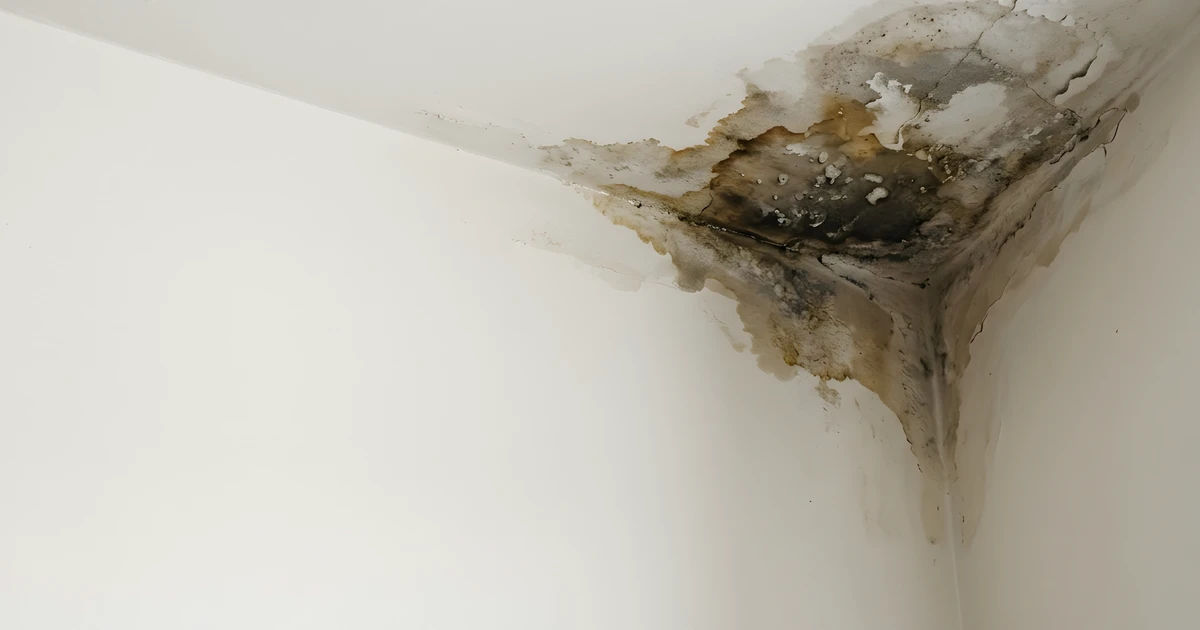
Mold can begin developing within a day or two of water exposure, which means indoor air quality problems can start well before you notice a visible stain. There is a financial side to this too. Austin's tiered water rates mean a modest, continuous leak can push your usage into a higher billing tier, adding real money to your bill every month it goes unfixed.
What Are the Warning Signs of a Hidden Leak?
You rarely see a hidden leak directly. Instead, you notice the side effects, and most of them are easy to miss if you are not looking for them. Here is what tends to show up first:
- An unexplained jump in your water bill, especially during cooler months when irrigation use is low
- The sound of running water when every fixture and appliance in your house is off
- Noticeably lower water pressure in one bathroom or one section of the house
- Warm or cool spots on tile or concrete floors
- Damp or dark stains on drywall, baseboards, or ceilings
- A musty smell that returns even after you clean the area
If more than one of these shows up at the same time, it is worth taking seriously rather than waiting to see if it goes away on its own.
Where Do Hidden Leaks Usually Hide in Your Home?
Certain leak locations turn up far more often in Austin homes, especially those built between the 1980s and 2015 on slab foundations. Knowing where to look helps you narrow down the problem faster.
Under the slab is one of the most common spots. Pipes running through shifting clay soil can develop cracks over years of movement, and hot water lines beneath the foundation are especially vulnerable. These leaks tend to show up as warm floor spots or unexplained moisture around the edge of your home.
Inside walls and ceilings, pinhole leaks in copper or PEX fittings, toilet supply lines, and shower valves can develop slowly. You might notice bubbling paint or a ceiling stain below a second-floor bathroom long before the leak becomes obvious anywhere else.
Water heaters are another frequent source. Slow drips from the tank connections, a rusting drain pan in an attic installation, or a clogged condensate line can all send water into places you would not expect to check.
Outside the house, broken irrigation lines, buried supply lines running from the city meter, and hose bibs leaking into the wall cavity instead of onto the exterior brick can all cause damage that stays hidden for months.
Can You Check for a Hidden Leak Yourself?
Yes, a few quick checks can confirm whether you are dealing with a probable hidden leak before you call anyone. Start with the water meter test. Shut off every fixture, appliance, and irrigation controller in your house, then locate your meter and note the reading along with the small flow indicator. Wait 15 to 30 minutes. If the dial or numbers have moved, water is escaping somewhere in your system.
From there, an isolation test can help narrow things down further. Turn off irrigation at the controller, then any pool autofill, then your exterior hose bibs, checking the meter again after each step. This tells you whether the leak is more likely inside the house or out in the yard.
It also helps to inspect the plumbing you can actually reach. Check under sinks, behind toilets, around the water heater base, in the laundry room, and near attic condensate lines for dampness, corrosion, or slow drips. Photograph anything you find and note the date, since this documentation helps a professional zero in on the problem faster and can support an insurance claim later.
One important caution: if you smell gas, hear hissing near a gas line, or see active flooding, shut off the relevant utility and call a licensed plumber right away.
How Do Professionals Detect Hidden Leaks Without Tearing Up Your Home?
Professional leak detection is built around finding the leak before anyone cuts into a slab, wall, or ceiling. A few tools make that possible.
Acoustic sensors listen for the high-frequency sound of pressurized water escaping through a crack or joint, even when that joint sits under concrete or behind drywall. Video inspection cameras go a step further for drain and sewer lines, sending a waterproof camera into the line to spot cracks, offsets, or root intrusion without any digging. Pressure testing rounds things out by isolating sections of a water line with valves and gauges, then watching for a pressure drop that points to the section with the hidden leak.
A thorough visit usually combines several of these tools along with a moisture meter and a visual inspection. The goal is always the same: locate the leak within a few inches of its actual position before any repair cut is made.
What Happens During a Professional Leak Detection Visit?
A typical residential leak detection appointment runs somewhere between 60 and 120 minutes, depending on the size of your home and how the leak is behaving.
The visit usually starts with a walkthrough. Your technician will ask about the symptoms you have noticed, review recent water bills, check the meter, and ask whether the home has had any past plumbing or foundation repairs. From there, the inspection becomes systematic: fixtures get turned on and off, sections of the plumbing system are isolated, and likely problem areas get scanned with acoustic equipment.
Once the leak is narrowed down, a good technician will show you what they found, whether that is a camera clip or a pressure reading, and walk you through your repair options. You should leave that conversation with a clear, written estimate rather than a vague promise to "see once we open it up."
How Can You Prevent Future Hidden Leaks?
No plumbing system lasts forever, but a few habits can meaningfully cut your risk of a surprise leak. Before Austin's summer heat and after a hard winter freeze, take a few minutes to inspect visible piping, hose bibs, and irrigation backflow devices for signs of stress.
Smart water monitors and point sensors near your water heater, washing machine, and under sinks can flag unusual water use before it turns into a real problem. Keeping gutters clear and maintaining proper grading around your foundation also helps by keeping the soil around your slab from constantly staying saturated.
If your home was built before about 1990 and still has its original pipes or cast-iron sewer lines, a periodic professional inspection is worth the cost, especially if you have already dealt with one slab or sewer issue. Homeowners considering a larger fix, such as whole house repiping, often find that an early conversation with a licensed plumber leads to a more cost-effective plan than waiting for a failure to force the decision.
Cold is on the Right helps Austin homeowners get ahead of these problems with non-invasive leak detection and honest guidance on what actually needs to happen next. Our team walks you through the findings in plain language, without pushing a bigger job than the situation calls for.
Ready to Get a Hidden Leak Checked Out?
If you have noticed a rising water bill, a warm patch on your floor, or a musty smell that will not go away, it is worth having someone take a look before the problem grows. Waiting rarely makes the fix cheaper, and in Austin's shifting soil, a small leak can turn into a foundation issue faster than most homeowners expect.
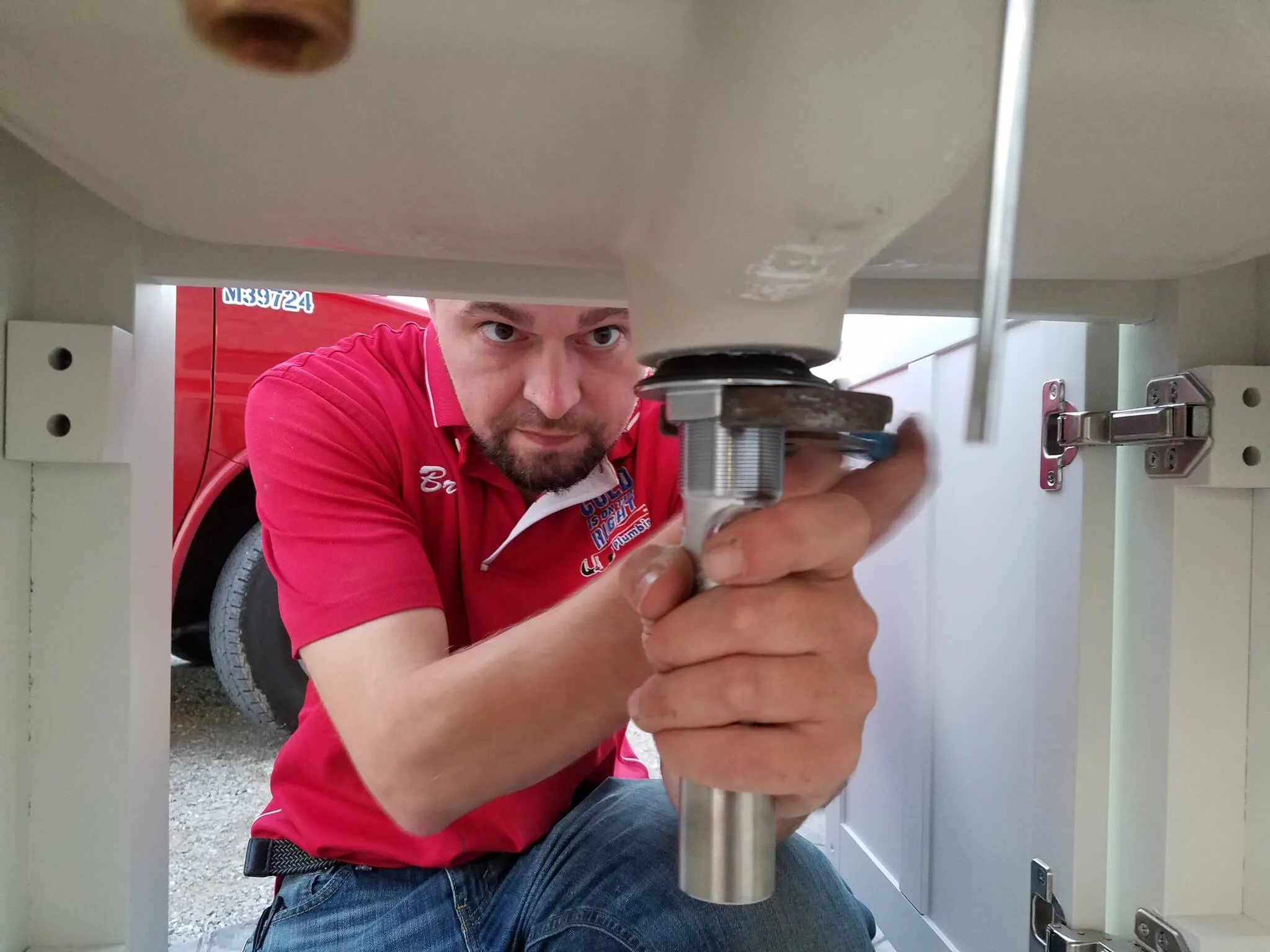
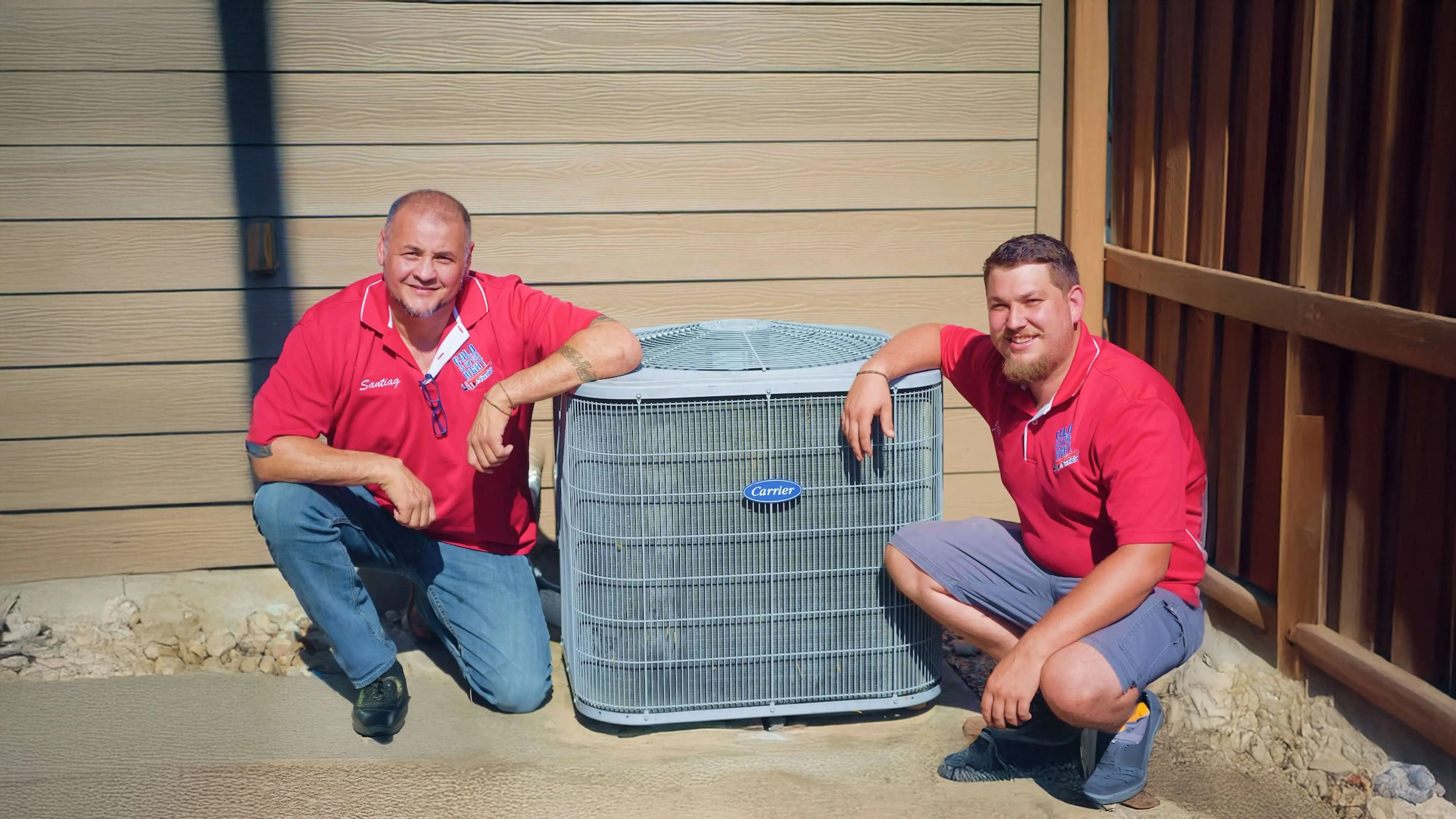
Cold is on the Right was founded by a master plumber with over 20 years of experience, and that same hands-on standard carries through every leak detection call we run. Our technicians are licensed, insured, and background checked, and every job we complete is backed by a 1- or 2-year warranty, so you are not left wondering whether the work will hold up. You can meet our plumbers and HVAC technicians and see the kind of team that will actually show up at your door.
We built our reputation on clear communication and honest pricing rather than upselling. That is reflected in the reviews from Austin homeowners who have used our leak detection and plumbing services, and it is the same standard you can expect on your visit.
Schedule your leak detection service today and get a clear answer, backed by non-invasive technology and upfront pricing.
Frequently Asked Questions About Hidden Leak Detection in Austin
How much does professional leak detection typically cost in Austin?
Standard residential leak detection in the Austin area generally falls in the range of a few hundred dollars, depending on your home's size and how complex the leak turns out to be. Pricing can vary between companies and service packages. At Cold is on the Right, you receive upfront pricing before any work begins, so there are no surprises once the technician arrives.
Can hidden leaks be covered by homeowners' insurance?
Coverage depends on your specific policy, but sudden and accidental damage, like a burst pipe, is generally more likely to be covered than a leak that develops gradually over time. Detailed detection reports with photos can strengthen a claim either way. It is worth checking with your insurance carrier and keeping any documentation your plumber provides.
Will you need to tear up my floors to find the leak?
Not necessarily. We use non-invasive leak detection methods whenever possible, including tools that help narrow down the source before opening walls, ceilings, or flooring. In some cases, limited access such as cutting into drywall may be necessary to confirm or reach the leak, but invasive methods are not our first approach. Our goal is to keep any required access as minimal and targeted as possible.
How quickly should I schedule repairs after a leak is found?
Given Austin's clay soil and humidity, prompt repair within a few days is a good idea. Waiting longer increases the risk of foundation movement, mold growth, and additional water damage. The sooner a confirmed leak gets addressed, the smaller the repair usually turns out to be.
Do you offer leak detection for rental or investment properties?
Yes. Leak detection services are available for single-family rentals, duplexes, and small multi-unit properties across the Austin area, including Round Rock and the surrounding communities, with owner or property manager authorization.