Why Is Your A/C Condensate Line Backing Up?
Quick Answer
Your AC condensate line usually backs up because of algae, mold, dust, or debris building up inside the drain pipe over time. This blockage stops condensation from draining properly, which can cause water to pool in the drain pan, trip a safety switch, or even back up into a nearby sink. In many homes, the condensate line ties into the same drainage system as a bathroom or kitchen sink, so a clog in one spot can cause symptoms in the other. A licensed HVAC professional can trace the blockage to its source and clear it correctly, which protects your system and your home from repeat issues.
Key Takeaways
- A clogged AC condensate line is one of the most common reasons homeowners see standing water near their indoor unit.
- Algae and mold thrive inside condensate drain lines because the environment is warm, dark, and consistently damp.
- Your AC's condensate line sometimes connects to the same plumbing drain as a bathroom or kitchen sink, which is why a clog can show up in unexpected places.
- A full drain pan, a tripped float switch, or water dripping near your air handler are all signs worth acting on quickly.
- Clearing a condensate line involves specific tools and techniques, and getting it wrong can push the clog deeper or damage the line.
- Recurring backups often point to a deeper issue in either the HVAC system or the connected plumbing line.
- A professional inspection can identify whether the problem is on the AC side, the plumbing side, or both, and fix it in one visit.
What Is an AC Condensate Line and Why Does It Matter?
Your air conditioner does more than cool the air in your home. As it runs, it pulls moisture out of the air and collects it as condensation on the evaporator coils. That water has to go somewhere, and that is exactly what the condensate line is designed to handle.
The condensate drain line is typically a small pipe, often 3/4 inch PVC, that carries water away from your indoor unit and out of your home. It connects to a drain pan positioned underneath your evaporator coils. When everything works correctly, you never notice this system at all. Water drips down, flows through the line, and exits quietly.
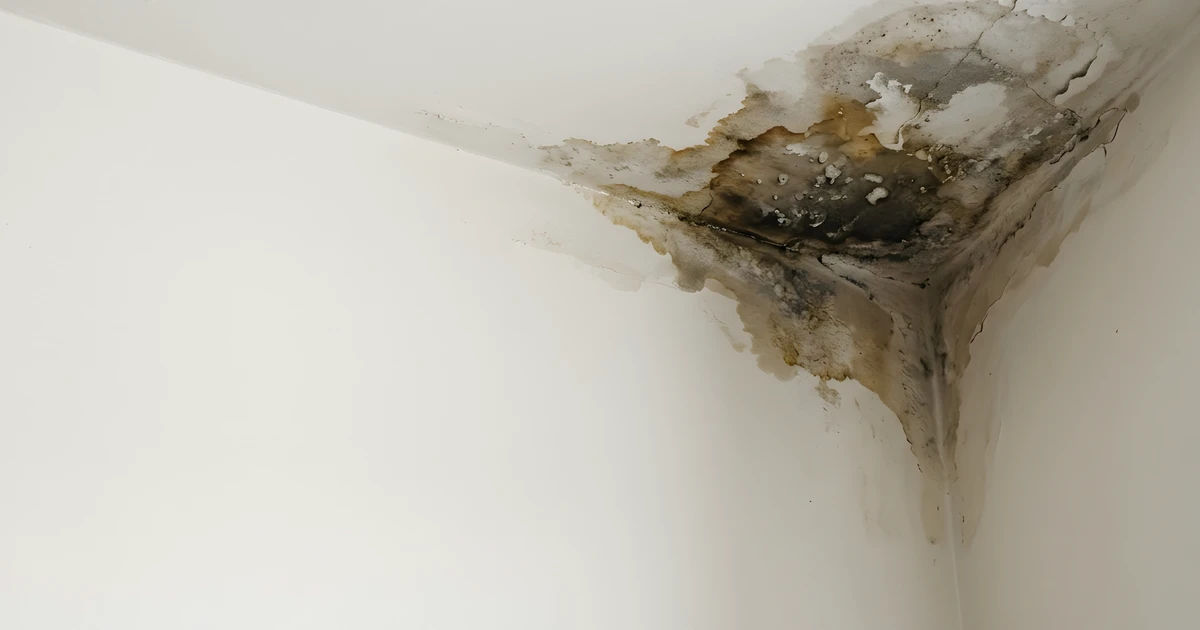
Problems start when something blocks that flow. Once the drain line clogs, water has nowhere to go, and it starts backing up toward the drain pan and the unit itself. Left unaddressed, this can lead to standing water, reduced cooling efficiency, and in some cases, water damage to your home.
What Causes an AC Condensate Line to Back Up?
Several common issues can cause a condensate drain line to clog. Most homeowners are surprised at how often the culprit is something small and preventable.
- Algae and mold growth: The inside of a condensate line is dark, damp, and warm, which creates ideal conditions for algae to develop. In humid climates like Austin, this buildup happens faster than most homeowners expect.
- Dust and debris: A dirty air filter allows more dust to reach the evaporator coil assembly. That dust eventually washes into the drain line and contributes to clogs over time.
- Improper slope or installation: A condensate pipe needs a slight downward slope to drain correctly. If it was installed without the right angle, water pools instead of flowing out, which speeds up blockages.
- Insects and small debris at the outlet: The exterior end of the line is an easy entry point for insects looking for a damp, sheltered space. Over time, this can restrict or fully block the opening.
- Low refrigerant levels: When refrigerant runs low, your evaporator coils can develop excess moisture beyond what the system is designed to handle, adding strain to the drain line.
A trained technician can look at these factors together and pinpoint which one is actually driving the clog in your home, rather than treating it as guesswork.
What Are the Common Signs of a Clogged AC Drain Line?
You do not need to be an HVAC expert to notice when something is wrong. A few signs tend to show up consistently when a condensate line starts to clog.
Watch for water pooling around your indoor unit or air handler, especially near the base. A drain pan that stays full or overflows is another clear signal, and it often means the water has nowhere else to go. Some systems include a float switch or safety switch that shuts off the AC automatically when water accumulates too high in the pan. If your system suddenly stops cooling with no obvious explanation, this safety feature may be the reason.
You might also notice reduced cooling performance, a musty smell from mold growth, or dripping sounds near your ceiling if the unit is installed in an attic space. None of these signs should wait, since an HVAC professional can usually resolve the issue in a single visit before it turns into something more serious.
Can a Clogged AC Drain Line Affect Your Plumbing?
This is where things get interesting, and it is exactly why this topic matters for your whole home, not just your HVAC system. In many houses, the AC condensate line does not run straight outside. Instead, it ties into the home's plumbing system, often draining into a nearby bathroom or kitchen sink line.
When that shared line develops a clog, water can back up into the sink instead of draining outside as intended. This means a backed-up bathroom sink is not always a plumbing-only problem. It could be a sign that your AC condensate line is blocked and needs attention. If you have already ruled out a typical drain clog and the backup only seems to happen when your AC is running, the connection between the two systems is worth investigating.
This overlap is exactly why it helps to work with a team that handles both HVAC and plumbing under one roof. Diagnosing the real source of the backup requires understanding how the two systems interact, not just clearing whichever pipe is closest.
Why a Professional Fix Matters for a Clogged Condensate Line
Clearing a condensate line the right way takes more than trial and error. The line is narrow, it connects directly to sensitive components like the evaporator coils and drain pan, and pushing a clog in the wrong direction can send debris further into the system instead of out of it. In homes where the line ties into shared plumbing, an incomplete fix can also leave the underlying blockage in place, only for it to resurface a few weeks later.
A professional technician approaches this differently. Before doing any work, they will inspect the drain pan, check the slope and condition of the line, and confirm whether the clog is isolated to the AC side or connected to your home's plumbing. From there, they use the right tools to clear the blockage fully and test the system to confirm proper drainage before closing the job out.
This matters most when a backup has already caused standing water or reached a shared sink line, since those situations often involve more than a simple flush. Getting it right the first time avoids repeat service calls and protects your system from unnecessary wear.
How Can You Prevent Future AC Drain Line Clogs?
Prevention is far easier than dealing with recurring backups, and most of it comes down to consistent, professional upkeep rather than homeowner guesswork. Replacing your air filter on schedule keeps dust from reaching the evaporator coils in the first place, which reduces what ends up in the drain line.
Scheduling regular maintenance with an HVAC professional is the most reliable way to catch small issues before they turn into service calls. During a routine visit, a technician can inspect the drain pan, confirm the line has the correct slope, flush the line properly with the right equipment, and check for early signs of algae or mold growth. This kind of routine care protects both your indoor air quality and the overall lifespan of your equipment, and it is far more effective than occasional homeowner maintenance.
Cold is on the Right sees this exact issue often across Austin homes, especially during humid summer months when condensate lines are working overtime. Because our experts handle both HVAC and plumbing, a technician can trace a backup to its actual source instead of guessing, whether that means clearing an AC drain line or addressing a connected plumbing issue elsewhere in the home. Homeowners enrolled in the service club get this kind of inspection built into their regular tune-ups, which helps catch condensate issues before they ever reach the backup stage.
Ready to Get Your AC Condensate Line Checked?
If your drain pan keeps filling up, your sink backs up when the AC runs, or you just want peace of mind before the next heat wave, it is worth having it looked at now rather than waiting for a shutdown. Cold is on the Right offers same-day HVAC service across Austin, Cedar Park, Round Rock, and the surrounding areas, with honest pricing and no unnecessary upsells. Reach out through our contact page to schedule an inspection today.
Frequently Asked Questions
Is a clogged AC condensate line an emergency?
It depends on how far the clog has progressed. If your safety switch has already shut off the system, or water is actively pooling near your unit, it is worth scheduling a service call quickly to avoid water damage. A minor drip with no standing water can usually wait for a routine visit, but it should not be ignored for long.
Is it safe to try clearing an AC condensate line myself?
It is not recommended. The line connects directly to sensitive components, and using the wrong tool or technique can push debris further into the system or damage the pipe itself. A licensed technician has the right equipment to clear the blockage fully and confirm the system is draining properly afterward.
How often should my AC drain line be inspected?
A yearly inspection during routine HVAC maintenance is typically enough for most homes, though homes with heavier dust, shaded outdoor units, or a history of clogs may benefit from more frequent checks. This is one of the reasons a service club membership is worth considering, since it builds these inspections into your regular schedule automatically.
Why does my bathroom sink gurgle or back up only when my AC is running?
This is a strong sign that your condensate line shares a drain connection with that sink line. When the AC line clogs, water has nowhere to go except back up through the connected plumbing. A technician who understands both systems can confirm this connection and clear the actual source of the backup.
Will a clogged condensate line damage my AC system?
Yes, if left unaddressed long enough. Standing water near the indoor unit can damage components, and consistent moisture buildup increases the risk of mold growth. Most systems include a safety switch specifically to prevent this kind of damage by shutting off the unit before water reaches a dangerous level.
Can a plumber or an HVAC technician fix a condensate line backup?
Both trades touch this issue, which is part of why it can be confusing for homeowners. The most efficient fix comes from a team that can evaluate both the HVAC side and the plumbing side in one visit, rather than guessing which trade to call first and possibly needing a second appointment.