Quick Answer
A drain that smells like rotten eggs is usually caused by bacterial buildup, trapped debris, sewer gas, or plumbing issues that allow unpleasant odors to escape through your drains. Identifying the source early can help prevent larger plumbing problems and improve indoor air quality.
Key Takeaways
- Rotten egg smells are commonly caused by sulfur-producing bacteria
- Dry drain traps can allow sewer gas into the home
- Food debris and buildup inside drains may create strong odors
- Persistent smells may point to sewer line or venting issues
- Regular drain maintenance helps prevent recurring odors
Why Drains Sometimes Smell Like Rotten Eggs
A rotten egg smell coming from a sink, shower, or floor drain is one of the more unpleasant plumbing issues homeowners deal with. In many cases, the odor is linked to sulfur compounds created by bacteria growing inside the plumbing system.
These smells can develop gradually or appear suddenly, depending on the cause. Sometimes the issue is relatively minor, such as a buildup in a kitchen drain. Other times, it may point to a larger sewer or venting problem that should not be ignored.
The key is identifying where the smell is coming from and whether it continues returning after basic cleaning.
Bacteria Buildup Inside the Drain
One of the most common causes of unpleasant odors is bacterial buildup in the drain itself.
Organic material like:
- Food particles
- Grease
- Soap residue
- Hair and debris
can collect inside drain pipes over time. As bacteria break down this material, it can create a strong odor near the drain opening.
Kitchen sinks are especially prone to this issue because food waste and grease frequently enter the plumbing system.
A Dry P-Trap Can Allow Sewer Gas Into the Home
Every drain in your home includes a curved section of pipe called a P-trap. This section is designed to hold water and block sewer gases from traveling back up through the drain.
When a drain is not used regularly, the water inside the trap can evaporate. Once that happens, sewer odors may enter the home directly through the pipe opening.
This is common in:
- Guest bathrooms
- Laundry room floor drains
- Unused showers
- Secondary sinks
In some cases, simply running water through the drain for a few seconds can refill the trap and stop the odor.
Kitchen Drains Often Develop Stronger Odors
Kitchen drains handle more organic waste than most other plumbing fixtures, which makes them more likely to develop unpleasant odors over time.
Grease buildup and trapped food particles can collect inside drain pipes and garbage disposals, creating an environment where odor-causing bacteria thrive.
If the smell is strongest near the kitchen sink, the issue may involve:
- Food buildup in the disposal
- Grease accumulation
- Bacteria growth inside the drain line
Routine cleaning can help reduce buildup before odors become severe.
Sewer Line Problems May Cause Persistent Smells
If the odor continues to return throughout the home or appears especially strong, the issue could involve the sewer system itself.
Potential causes may include:
- Sewer line blockages
- Cracked sewer pipes
- Plumbing vent issues
- Damaged seals around drains or toilets
These problems can allow sewer gases to escape into the home and often require professional diagnosis.
Persistent sewer odors should never be ignored, especially when accompanied by slow drains, gurgling sounds, or recurring backups.
How to Help Eliminate Drain Odors
Some drain smells can be improved with basic maintenance and cleaning.
Homeowners may try:
- Flushing the drain with hot water
- Cleaning the garbage disposal thoroughly
- Using baking soda and vinegar to break down buildup
- Running water in unused drains
- Removing visible debris near drain openings
However, if the smell returns quickly or spreads to multiple drains, it may indicate a larger plumbing issue that requires professional attention.
Why Drain Odors Should Not Be Ignored
A bad-smelling drain may seem like a small annoyance at first, but ongoing sewer odors can signal deeper plumbing problems developing behind the scenes.
Ignoring the issue may eventually lead to:
- Drain blockages
- Sewer backups
- Pipe damage
- Poor indoor air quality
- Increased plumbing repairs later
Addressing the problem early often helps prevent more expensive repairs down the line.
When to Call a Professional Plumber
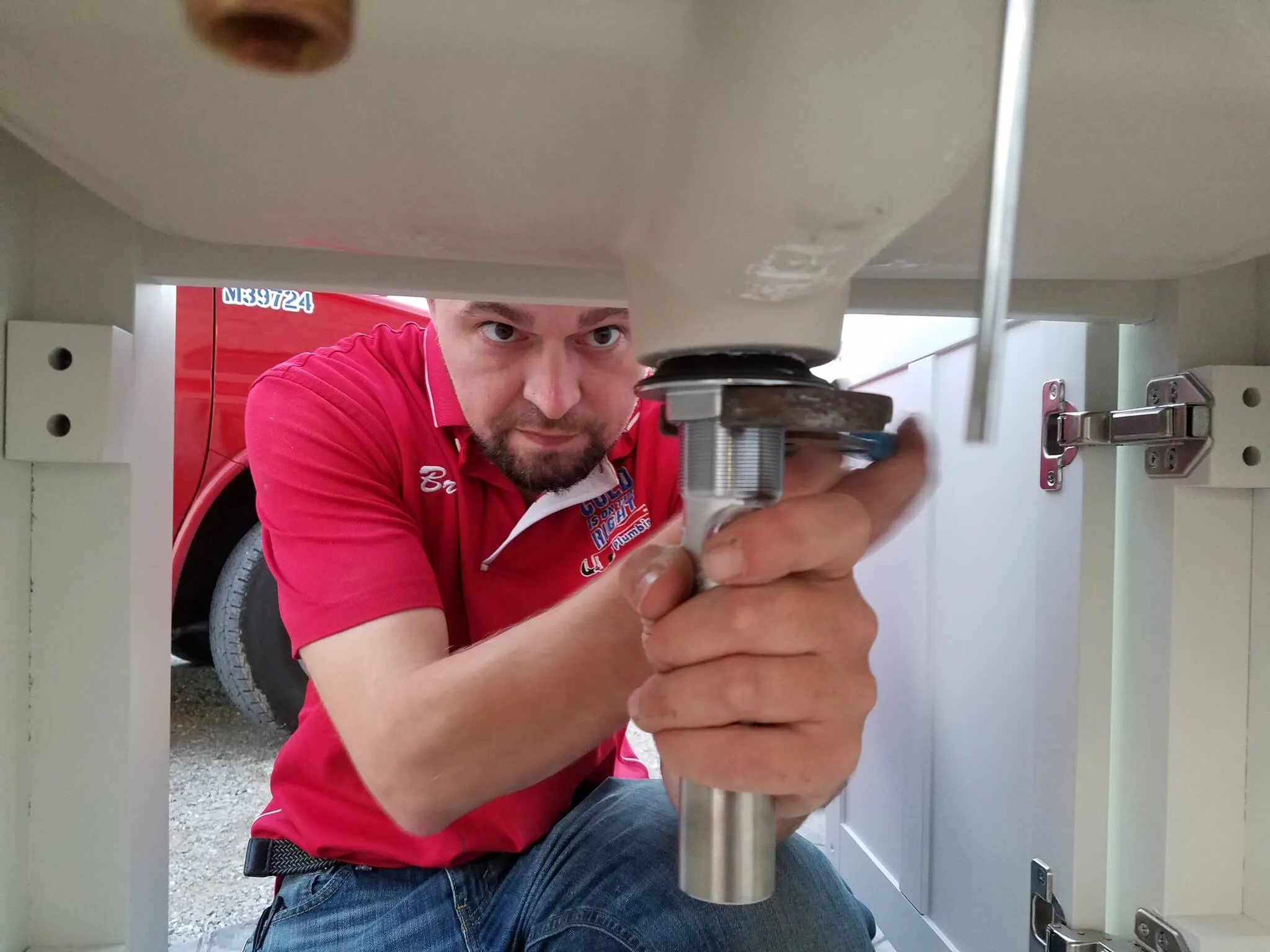
If drain odors persist despite cleaning efforts, it is important to have the plumbing system professionally inspected. Some problems develop deeper within the drain line or sewer system, where they cannot be identified without specialized equipment.
Cold is on the Right helps homeowners identify the source of persistent drain odors and recommends the right repair solutions before the issue becomes more serious.
Get Rid of Drain Odors With Help From Cold is on the Right
Drain services in Austin, TX, can solve unpleasant smells that are often caused by bacterial buildup, sewer gas, or hidden plumbing issues that worsen over time. Finding the source early can help restore comfort inside the home while preventing larger plumbing problems later.
Cold is on the Right provides professional plumbing inspections and drain solutions to quickly and accurately identify the cause of persistent odors.
Schedule your drain service today and stop sewer odors before they become a bigger problem.