Quick Answer
Winterizing your plumbing is the best way to prevent frozen pipes, costly water damage, and major disruptions during the first cold snap of the season. By insulating exposed pipes, draining outdoor faucets, sealing drafts, and keeping indoor temperatures steady, you protect your entire plumbing system before temperatures drop.
Key Takeaways
- Insulate exposed pipes in attics, garages, and crawl spaces to prevent freezing.
- Disconnect and drain garden hoses and outdoor faucets before winter weather arrives.
- Maintain steady indoor temperatures to keep water lines from freezing.
- Small steps like dripping faucets and sealing air leaks help avoid expensive plumbing repairs.
- Professional winterization is recommended for older homes or complex plumbing systems.
Why Winterizing Your Plumbing Matters
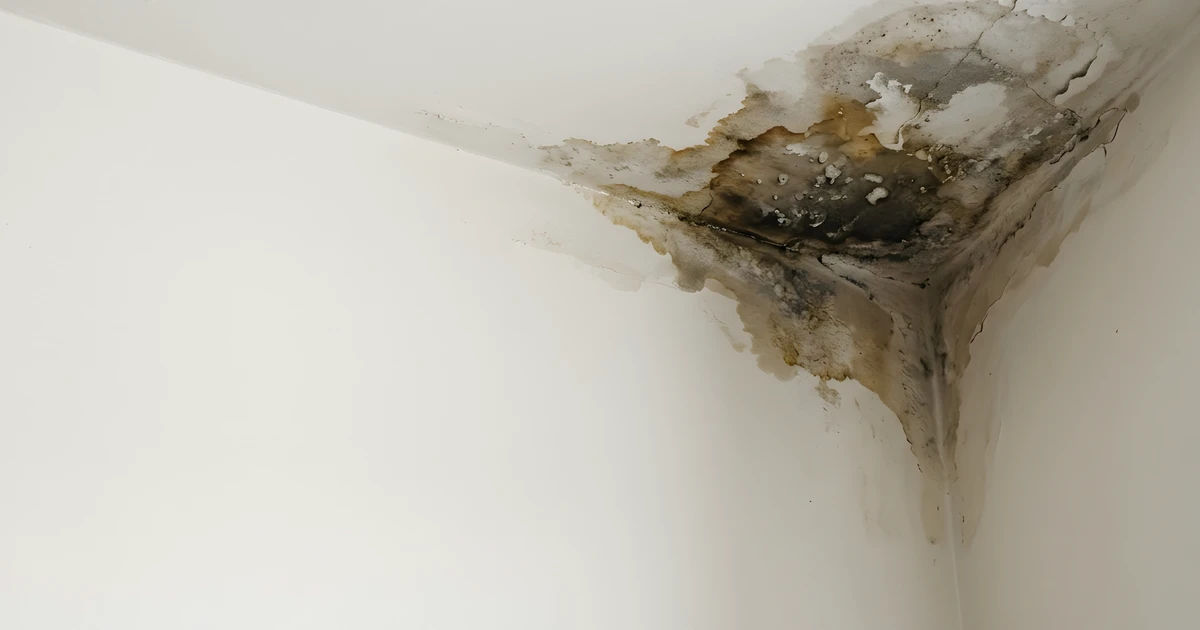
When temperatures drop below freezing, the water inside your pipes begins to expand. This pressure buildup can cause pipes to burst, leading to major water damage and expensive repairs. Winterizing your plumbing system before the first freeze protects your home and saves you money. Preparing early ensures your plumbing stays reliable throughout the cold season.
Many homeowners wait until a freeze is already on the way, which leaves little time to address vulnerable areas. Taking steps early gives you peace of mind when winter weather hits unexpectedly.
Insulate Exposed Pipes
Uninsulated pipes are the first to freeze. Focus on pipes located in areas that do not receive heat, such as attics, garages, crawl spaces, and exterior walls. Using pipe insulation sleeves, foam wrap, or heat tape helps keep water lines warm and reduces the risk of freezing.
Proper insulation not only prevents burst pipes but also improves energy efficiency by reducing heat loss around your plumbing system.
Disconnect and Drain Outdoor Water Sources
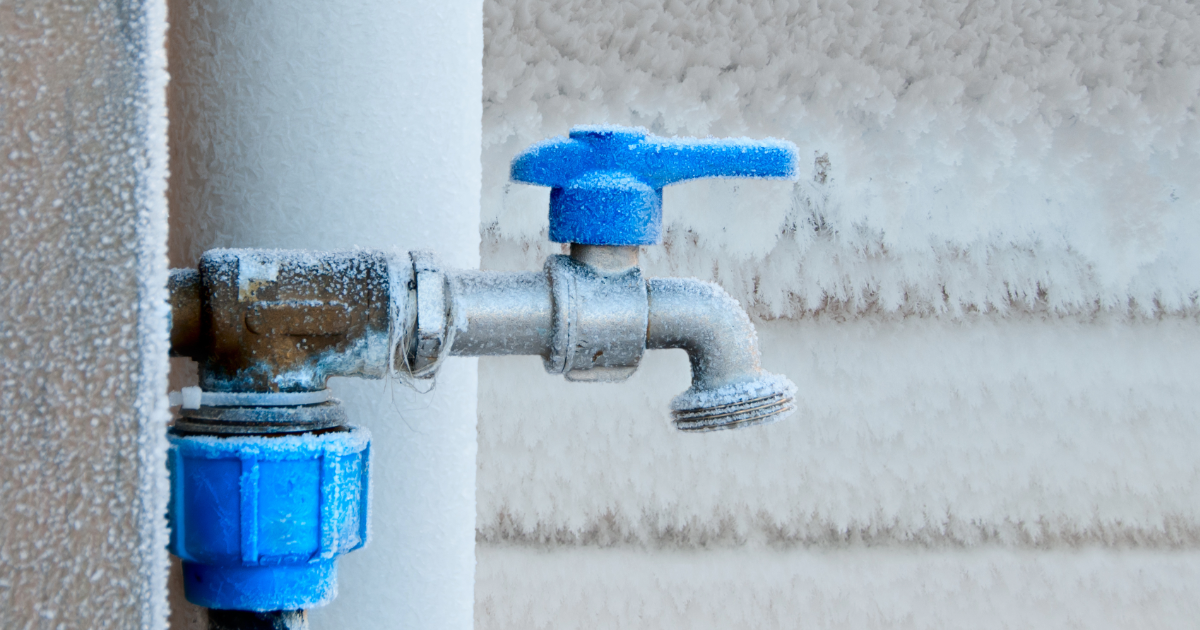
Outdoor faucets and hoses are some of the most common sources of winter pipe problems. Remove garden hoses, drain them fully, and store them indoors during the cold season. Shut off interior supply valves that feed outside faucets, then drain any remaining water to prevent freezing.
Leaving a hose attached traps water in the faucet, which can freeze, expand, and cause damage inside the wall.
Protect Your Water Heater
Your water heater works harder during the winter, especially if temperatures drop suddenly. Flushing sediment from the tank increases efficiency and extends its lifespan. Adding insulation to the tank or surrounding pipes helps reduce heat loss and keeps your water heater performing well.
These simple maintenance steps help ensure you have consistent hot water throughout the winter.
Seal Air Leaks Around the Home
Cold drafts make your plumbing more vulnerable to freezing. Inspect areas under sinks, behind appliances, and along exterior walls for gaps where cold air enters. Seal leaks using caulk or expanding foam to keep warm air inside and cold air out.
Blocking these drafts is an easy and effective way to protect your pipes and improve your home’s overall energy efficiency.
Open Cabinets Near Exterior Walls
Pipes located inside exterior walls are especially vulnerable to freezing during cold snaps. Opening cabinet doors under sinks allows warm indoor air to circulate around the plumbing, helping keep pipes above freezing temperatures.
This simple step is especially helpful overnight or during extended periods of cold weather and can significantly reduce the risk of frozen or burst pipes in kitchens, bathrooms, and laundry rooms.
Keep Indoor Temperatures Consistent
Keeping your thermostat steady is key to preventing frozen pipes. Do not let the indoor temperature fall below 55 degrees, even when you leave home for an extended period. During extremely cold nights, open cabinet doors under sinks to help warm air circulate around your plumbing.
Consistent warmth helps keep water flowing freely and reduces the chance of freezing.
Let Faucets Drip During Extreme Cold
Allowing a small stream of water to drip from your faucets helps relieve pressure inside the pipes. This is especially important for faucets located along exterior walls or at the far end of your plumbing system.
Movement in the water line makes freezing less likely and protects pipes in vulnerable areas.
Know When to Shut Off Water in an Emergency
Every homeowner should know the location of their main water shutoff valve. If a pipe freezes or bursts, quickly turning off the water can prevent extensive damage. Test the valve before winter to ensure it can be turned easily during an emergency.
Being prepared can save you thousands in repairs if a pipe issue occurs.
Final Winter-Prep Checklist
Before the first freeze, complete these steps:
- Insulate exposed pipes throughout the home
- Remove hoses and drain outdoor faucets
- Flush and insulate your water heater
- Seal air leaks around plumbing lines
- Keep your thermostat above 55 degrees Fahrenheit
- Let faucets drip during freezing weather
- Locate and test your main shutoff valve
- Schedule a professional inspection if needed
These simple steps can help prevent costly damage and keep your plumbing system functioning smoothly all winter long.
Consider Professional Winterization Services
Some homes, especially older ones, have plumbing systems that are more complex or more vulnerable to freezing. Professional winterization in Austin, TX, includes inspecting and insulating exposed pipes, checking water heaters, sealing leaks, and preparing outdoor plumbing. A licensed plumber can identify risk areas you may overlook and provide long-term solutions for winter protection.
High fives are free. Request your appointment today!