Quick Answer
Hard water contains high levels of minerals that build up inside pipes, fixtures, and appliances. Over time, this buildup restricts water flow, strains your plumbing system, and causes premature wear on everything from faucets to water heaters.
Key Takeaways
- Hard water creates mineral scale that slowly damages pipes and appliances
- Water heaters are especially vulnerable to mineral buildup
- Homeowners often experience low water pressure, cloudy dishes, and higher utility bills
- Long-term exposure can lead to leaks, corrosion, and expensive repairs
- A water softener is the most effective way to protect your plumbing
How Hard Water Affects Your Plumbing System
Hard water is a common issue in many Texas homes, and while it may seem harmless, its mineral content can create costly plumbing problems over time. When calcium and magnesium levels build up inside your pipes and fixtures, they affect everything from water pressure to appliance performance. Understanding how hard water impacts your plumbing system can help you protect your home, avoid unnecessary repairs, and maintain long-term efficiency.
What Is Hard Water and Why Does It Matter?
Hard water contains elevated levels of calcium and magnesium. These minerals naturally occur in groundwater, especially in regions like Central Texas. While safe to drink, they can leave behind mineral deposits that build up over time.
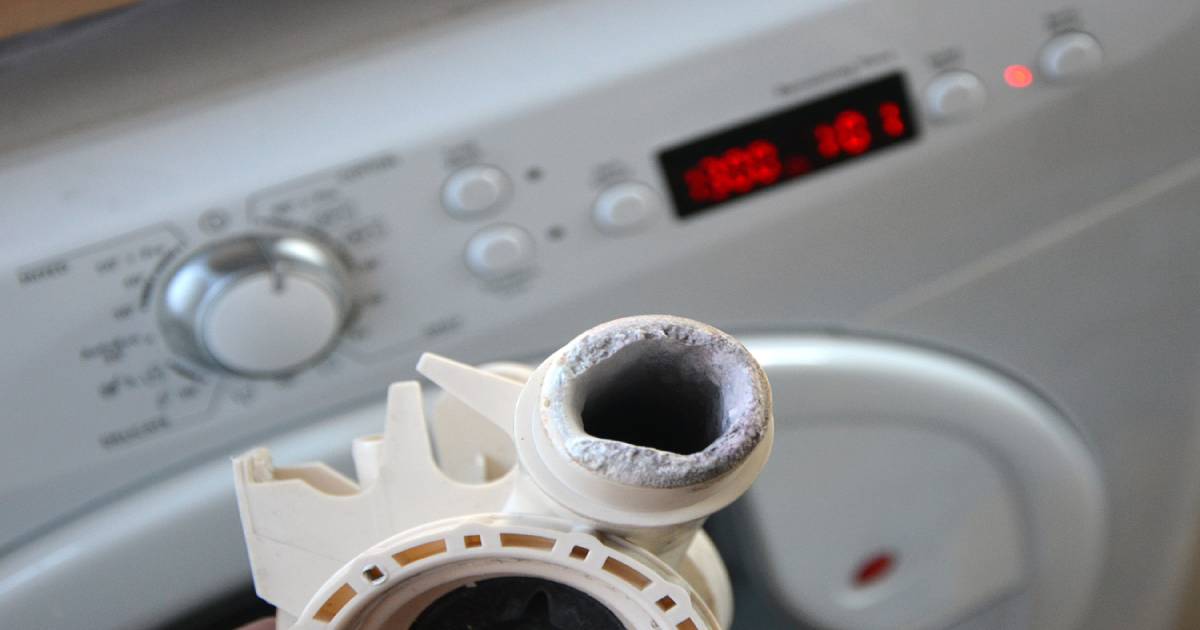
As water moves through your plumbing system, dissolved minerals cling to the interior of pipes, fixtures, and appliances. This creates scale that reduces water flow, increases strain on equipment, and shortens the lifespan of critical home systems.
Mineral Buildup Inside Pipes
One of the first places hard water causes trouble is inside your plumbing lines. Over months and years, minerals accumulate and narrow the interior of your pipes. When this happens, you may notice:
- Lower-than-normal water pressure
- Slower flow at faucets or showerheads
- A gradual decline in plumbing performance
Left untreated, scale buildup inside pipes can lead to blockages, corrosion, and the need for premature pipe replacement. Even newer homes can begin experiencing these issues sooner than expected when hard water is consistently present.
Damage to Water Heaters
Water heaters are especially vulnerable. Hot water accelerates mineral crystallization, causing a thick layer of sediment to settle at the bottom of the tank. Unlike other issues, this one happens quietly, and homeowners often don’t know a problem exists until efficiency drops significantly.
Over time, sediment buildup can:
- Make your water heater run longer
- Increase energy consumption
- Cause overheating or early system failure
Tankless systems are also affected. Mineral scale coats the heating elements, reducing heat transfer and triggering error codes.
Clogs in Faucets and Showerheads
You may notice visible signs of hard water long before major plumbing problems appear. Faucets and showerheads often develop white, chalky mineral deposits around the openings. This buildup restricts water flow and can cause fixtures to spray unevenly or clog completely.
These issues are usually treatable with regular cleaning, but without addressing the root cause, clogs will continue to return.
Increased Wear on Household Appliances
Hard water doesn’t just impact pipes and fixtures—appliances feel the effects, too. Washing machines, dishwashers, and ice makers can all suffer from scale deposits that reduce efficiency.
Some common symptoms include:
- Cloudy dishes after washing
- Clothes that feel stiff after laundry
- Appliances that run louder or longer than usual
Over time, this can shorten the lifespan of expensive appliances, leading to more frequent replacements.
Soap, Cleaning Products, and Higher Utility Costs
Hard water also reduces the effectiveness of soap and detergents. Instead of creating a rich lather, hard water forces cleaning products to work harder, leaving behind residue on skin, hair, and surfaces.
This results in:
- Dingy clothing
- Soap scum on showers and sinks
- Increased usage of cleaning products and detergents
Even your utility bills may rise as appliances work harder to compensate for mineral buildup.
How to Protect Your Plumbing System From Hard Water
Install a Whole-Home Water Softener
A water softener is the most effective long-term solution for hard water. By removing excess calcium and magnesium before the water reaches your fixtures or appliances, it prevents scale from ever forming in your plumbing system. This not only protects your pipes but also extends the lifespan of your dishwasher, water heater, and washing machine. Many homeowners also notice softer laundry, clearer dishes, and smoother skin after installation.
Flush Your Water Heater Regularly
Hard water sediment naturally settles at the bottom of your water heater, where it solidifies over time. This buildup forces the unit to work harder, reduces efficiency, and increases the risk of overheating or premature failure. Flushing the tank once or twice a year helps remove these minerals before they compact.
If you notice popping or rumbling noises from your water heater, that’s often a sign that sediment has already built up. A professional maintenance visit can clear it out and restore proper performance.
Clean or Replace Mineral-Clogged Fixtures
Showerheads, faucets, and aerators are often the first places where hard water damage becomes visible. When mineral deposits clog these components, you’ll notice reduced water pressure, uneven spray patterns, or complete blockage.
A simple cleaning method is soaking them in white vinegar to dissolve surface buildup.
However, if fixtures clog often or lose performance quickly, it may indicate a larger problem inside your pipes that requires a comprehensive hard water solution rather than repeated cleaning.
Use Appliances Designed to Handle Hard Water
Some modern dishwashers and washing machines are built with hard-water-resistant components or internal filters. If you have older appliances or ones showing signs of scale buildup, upgrading can help reduce wear and improve water efficiency.
Even with newer appliances, installing a softener or scale-reduction system ensures minerals don’t accumulate on heating elements, hoses, or spray arms.
Protect Your Home From Hard Water Damage Today
Hard water doesn’t have to take a toll on your plumbing system. Whether you’re dealing with clogged fixtures, scale buildup, or stressed appliances, our expert team can help you restore performance and prevent future issues. That’s why we offer water softening services in Austin, TX! High fives are free. Request your appointment today!