Quick Answer
Even during a mild Texas winter, short cold snaps can cause pipes in unheated garages and crawl spaces to freeze and burst. Because homeowners often overlook pipe protection in warmer seasons, these sudden temperature drops can lead to unexpected water damage. Simple preparation steps taken early help reduce risk without overreacting to the forecast.
Key Takeaways
- Mild winters often lead homeowners to overlook pipe protection until a cold snap hits
- Garages and crawl spaces cool faster than living areas, even when outdoor temperatures feel manageable
- Small preventive steps can help avoid emergency plumbing repairs during sudden freezes
Why Mild Winters Still Cause Burst Pipes
In warmer climates, freezing pipes often catch homeowners off guard. When winter feels mild overall, many people skip seasonal plumbing prep, assuming freezing temperatures won’t last long enough to cause problems. The issue isn’t prolonged cold, it’s the sudden overnight drops that occur without warning.
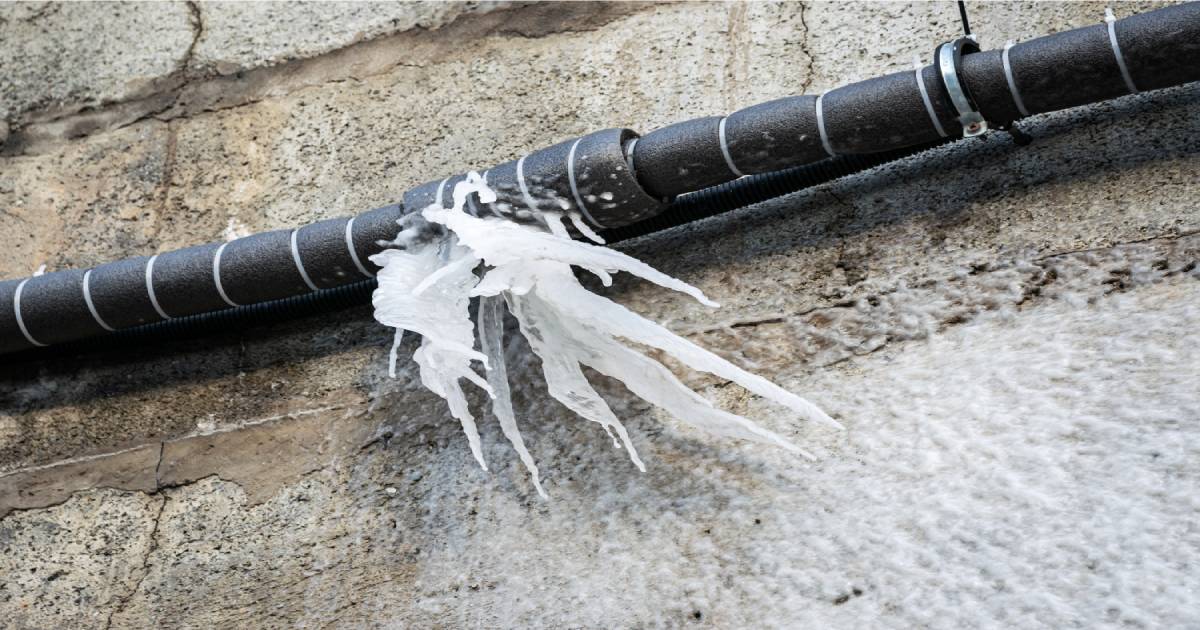
When water freezes inside pipes, it expands and creates internal pressure. Even a brief freeze can crack pipes, with damage becoming visible only after temperatures rise again. This is why burst pipes often appear after a cold snap has passed.
Why Unheated Areas Are Most Often Overlooked
Garages
Garages tend to feel “protected” during mild winters, especially attached garages. But temperatures in garages can drop quickly overnight, particularly near exterior walls, ceilings, and garage doors. Plumbing in these areas is often lightly insulated or exposed, making it vulnerable even when the rest of the house stays warm. Because garages are not living spaces, warning signs are easy to miss until damage has already occurred.
Crawl Spaces
Crawl spaces are another area homeowners rarely think about during a warmer winter. Open vents, foundation gaps, and fluctuating air flow allow cold air to settle around plumbing lines. During brief freezes, pipes in crawl spaces can freeze faster than pipes inside the home.
Without proper insulation and vapor barriers, crawl spaces remain one of the most common sources of winter plumbing issues in Texas homes.
Warning Signs Your Pipes May Be at Risk During a Cold Snap
When winter temperatures drop unexpectedly, pipes often show subtle signs before freezing or bursting. Paying attention during short cold spells can help prevent major damage.
- Reduced water pressure at faucets
- Frost or ice visible on exposed pipes
- Unusual noises when water is turned on
- Moisture or condensation forming on pipe surfaces
- Cold drafts near plumbing lines
- Inconsistent water flow in sinks or showers
How to Protect Pipes During a Mild Winter
Insulate Before You Think You Need It
Pipe insulation is inexpensive and effective, especially in garages and crawl spaces. Adding insulation early prevents scrambling when a freeze is already in the forecast. Focus on pipes near exterior walls, ceilings, and unheated corners where cold air collects first.
Seal Drafts That Let Cold Air In
During mild winters, air leaks are easy to ignore. Gaps around garage doors, vents, and foundation openings allow cold air to rush in during sudden temperature drops. Sealing these areas helps stabilize temperatures around plumbing lines.
Don’t Rely on Outdoor Temperatures Alone
Even when daytime highs feel comfortable, overnight lows can still dip below freezing. Maintaining minimal heat in garages during cold snaps and ensuring crawl space insulation is intact can make a significant difference.
Drain Lines That Aren’t Being Used
Unused plumbing lines freeze faster because water sits stagnant. Draining and winterizing seasonal or secondary plumbing helps prevent freezing during short cold events.
Use Dripping as a Temporary Measure
Letting faucets drip during extreme overnight cold helps keep water moving. While not a long-term solution, it can offer short-term protection when a cold snap arrives unexpectedly.
Crawl Space Insulation Still Matters in Warmer Winters
Crawl space insulation and vapor barriers help regulate temperature and reduce moisture. Even during mild winters, these upgrades protect plumbing from sudden cold air exposure while improving overall home efficiency.
Homes with well-insulated crawl spaces experience fewer freeze-related plumbing issues, regardless of how short the cold spell may be.
What to Do If Pipes Freeze
If you suspect a frozen pipe, shut off the main water supply immediately. Apply gentle heat using a hair dryer or heating pad, starting near the faucet and moving toward the frozen section. This allows pressure to release gradually as ice melts.
Never use open flames, torches, or high-heat devices. If pipes do not thaw or you notice leaking, it’s time to call a professional.
When to Call a Plumbing Professional
Recurring frozen pipes, hidden plumbing lines, or difficult-to-access areas often require expert evaluation. A licensed plumber can identify problem areas, improve insulation, or reroute pipes to reduce future risk. Professional help ensures long-term protection rather than temporary fixes.
Preventing Costly Water Damage Before It Starts
Burst pipes can lead to extensive water damage, mold growth, and expensive repairs. Preventive maintenance protects not only your plumbing but also walls, flooring, and electrical systems. Taking proactive steps now helps homeowners avoid stress later. And if you stay ahead of the problem, that’s always worth a high five.
Protect Your Pipes with Cold is on the Right
Cold weather doesn’t have to mean plumbing emergencies. With proper insulation, airflow control, and seasonal preparation, homeowners can protect pipes in garages and crawl spaces year after year.
If you’re concerned about plumbing pipes in Austin, TX, in unheated areas of your home, Cold is on the Right Plumbing and Air is ready to help. Schedule an inspection today and get peace of mind before the next cold snap hits.